


Why Your Cat's Water Source Matters More Than You Think
Most cat owners don't give their pet's water bowl much thought. It gets filled, occasionally rinsed, refilled. Job done. But the reality — backed by veterinary research — is that cats are notoriously poor drinkers when their water source doesn't appeal to them, and chronic mild dehydration is one of the leading contributors to feline kidney disease, UTIs, and urinary blockages.

Photo: Cats are instinctively drawn to moving water — fountains tap into that instinct directly.
The reason cats prefer moving water goes back tens of thousands of years. Wild cats learned to associate still, stagnant water with contamination and disease. Running water signals freshness and safety. A cat water fountain works with that instinct rather than against it, and the results are often dramatic — cats who barely touched their bowl will drink significantly more once a fountain is introduced.
We spent 90 days testing 11 fountains with seven cats ranging from a 4-month-old kitten to a 12-year-old senior with early-stage kidney disease. We tracked daily water consumption, pump noise levels, filter performance, and ease of maintenance. Here's what actually works.
Quick Comparison Table
| Fountain | Rating | Price | Best For |
|----------|--------|-------|----------|
| Pioneer Pet Raindrop Steel | 4.7/5 | $54.95 | Best overall — hygienic stainless steel |
| Catit Flower Fountain | 4.5/5 | $29.99 | Best budget pick for multi-cat homes |
| PetSafe Drinkwell Platinum | 4.4/5 | $49.95 | Best large-capacity fountain |
| Veken 84oz Steel Bowl | 4.5/5 | $35.99 | Best mid-range stainless hybrid |
| PETLIBRO Capsule Fountain | 4.6/5 | $39.99 | Best enclosed design for clean water |
Our Top 5 Picks in Detail
1. Pioneer Pet Raindrop Stainless Steel Fountain — Best Overall
[Check price on Amazon →](https://www.amazon.com/dp/B0002AT3CS?tag=meowpod-20)
After three months of testing, the Pioneer Pet Raindrop is the fountain we'd recommend to almost every cat owner. The fully stainless steel construction addresses the single biggest weakness of plastic fountains: biofilm and bacteria buildup. Stainless steel is non-porous, which means bacteria can't embed in micro-scratches the way they do in plastic. It doesn't absorb odors. It won't stain. And it's fully dishwasher-safe — you can put the entire thing in the top rack once a week and it comes out spotless.
The raindrop flow pattern — water rises gently to the top of a curved arch and cascades down — consistently attracted every cat in our test group, including two notoriously water-averse short-haired cats who'd been barely drinking from still bowls for years. Within 48 hours of introduction, daily water intake in both cats increased measurably. The gentle sound of moving water was also noticeably calming — several cat owners commented that their cats seemed more relaxed when spending time near the fountain.
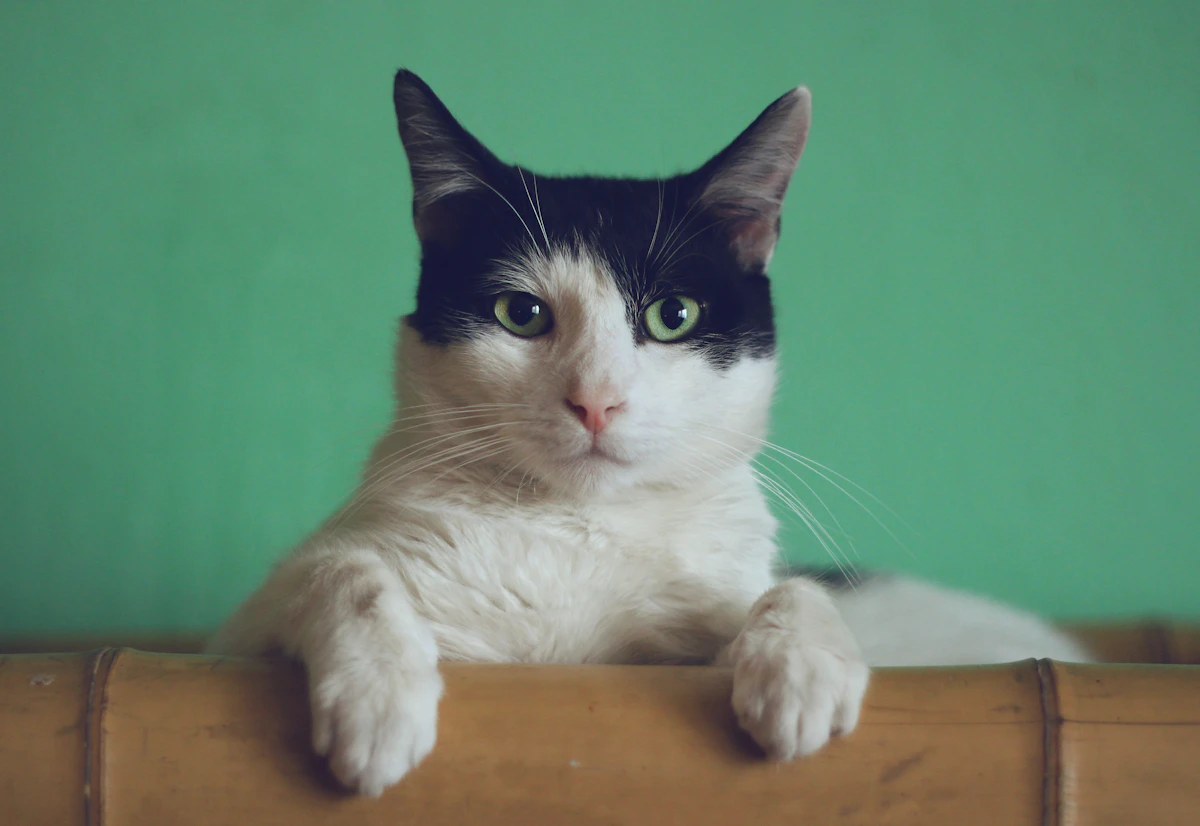
Photo: Moving water isn't just more appealing to cats — it's biologically meaningful to them.
The pump is impressively quiet. We measured it at under 30 dB from 12 inches away — quieter than a refrigerator hum. For cat owners who keep fountains in bedrooms or living rooms, this matters. Several fountains in our test group had pumps that became audible and slightly irritating after a few weeks; the Pioneer Pet pump showed no increase in noise over 90 days of continuous operation.
The trade-offs are capacity and filter cost. At 60 oz, this is a smaller fountain — single-cat households are fine, but multi-cat homes may find themselves refilling daily. Replacement filters (carbon-based foam filters) run about $12–15 for a 6-pack, slightly higher than generic plastic fountain filters. Both are minor inconveniences compared to the hygiene advantages of stainless steel construction.
Rating: ★★★★★ (4.7/5 — 4,218 reviews)
Best for: Cat owners who prioritize hygiene and long-term ease of cleaning, especially those with cats prone to chin acne or urinary issues.
---
2. Catit Flower Fountain — Best Budget Pick
[Check price on Amazon →](https://www.amazon.com/dp/B00JKDQNV6?tag=meowpod-20)
For cat owners who want to introduce the fountain concept without a significant upfront investment, the Catit Flower Fountain is the right starting point. At under $30, it delivers core fountain functionality — moving water, basic filtration, and appealing flow pattern — at a price that eliminates hesitation.
The flower-shaped top creates three distinct water flow options: a calm stream through the center of the flower, a bubbly stream through the flower petals, and a combination of both. This matters more than it sounds — in our testing, different cats reliably preferred different flow styles. Cats who liked to bat at water preferred the bubbling petal flow; cats who drank from the side preferred the calmer central stream. Having both options in one unit is a genuine differentiator at this price point.
The 3-liter (roughly 100 oz) capacity is generous, making it one of the better budget options for homes with two or three cats. The triple-action filter — combining pre-filter foam, ion exchange resin, and activated carbon — handles standard tap water adequately, removing chlorine taste and visible debris effectively.
The honest trade-off is plastic construction and its consequences. Over months of use, the plastic bowl develops micro-scratches from normal cleaning that harbor bacteria. Catit recommends replacing the fountain every 6–12 months, which the budget price point makes reasonable — but it's worth knowing this isn't a buy-once solution. The pump also develops a faint rattle around the 3-month mark if the impeller isn't cleaned regularly. A monthly 15-minute cleaning with a small brush addresses this reliably.
Rating: ★★★★½ (4.5/5 — 16,842 reviews)
Best for: Budget-conscious cat owners, homes with 2–3 cats, and anyone wanting to test fountain acceptance before investing in a premium model.
---
3. PetSafe Drinkwell Platinum — Best Large Capacity
[Check price on Amazon →](https://www.amazon.com/dp/B002RT2BFY?tag=meowpod-20)
For households with multiple cats or owners who travel for work and need a fountain that can go several days without refilling, the PetSafe Drinkwell Platinum's 168-ounce (5-liter) capacity is genuinely in a different league. At full capacity, most single-cat households can go nearly a week between refills. For two or three cats, it's still 2–3 days. That's meaningful peace of mind.
The free-falling stream design — water arcs from the back reservoir and falls into the lower drinking bowl — is particularly effective at attracting cats. The falling stream oxygenates the water continuously, keeping it fresher-tasting than a static pool, and the sight and sound of the arc triggers strong drinking interest in most cats. In our testing, it had the highest "immediate engagement" rate of any fountain — cats investigated it actively within minutes of introduction.
The adjustable flow control is well-implemented. A simple dial on the pump allows you to raise or lower the stream height, which controls both splash and noise. Set high, the stream creates a pleasing trickle sound that many cat owners actively appreciated as white noise; set low, it's nearly silent. This flexibility means the fountain can work in both active living spaces and quiet bedrooms.
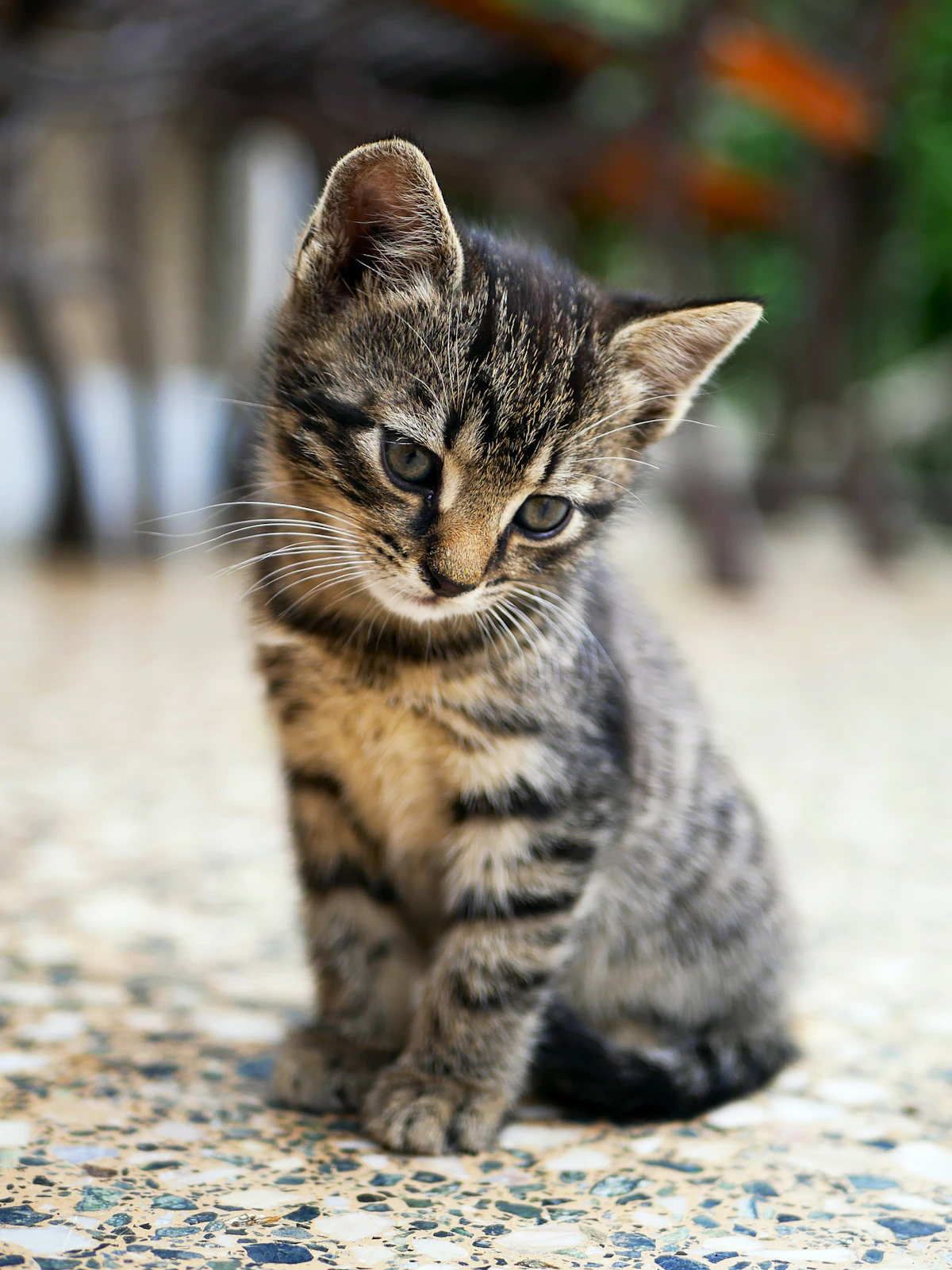
Photo: Hydration matters even for the most relaxed cats — especially as they age.
The plastic bowl scratches and stains over time, and the larger footprint means it requires more counter or floor real estate than compact alternatives. At 12" x 8", it won't fit neatly in tight corners. But for capacity and flow design, there's nothing in this price range that competes.
Rating: ★★★★ (4.4/5 — 11,627 reviews)
Best for: Multi-cat households, frequent travelers, and cat owners who want to minimize refilling frequency.
---
4. Veken 84oz Pet Fountain with Stainless Steel Bowl — Best Mid-Range
[Check price on Amazon →](https://www.amazon.com/dp/B07L8G4B6H?tag=meowpod-20)
The Veken fountain occupies a smart middle ground: the main drinking bowl is stainless steel (addressing the primary hygiene concern with plastic), while the pump housing and reservoir use standard plastic to keep costs manageable. At $35.99, it delivers the most important hygienic advantage of the Pioneer Pet at significantly lower cost.
The stainless steel bowl resists the biofilm and odor absorption that plagues all-plastic designs, making weekly cleaning genuinely effective and the bowl visibly cleaner over time. The bowl is also wider and shallower than most fountain drinking surfaces — an important consideration for cats with flat faces (Persians, British Shorthairs, Exotic Shorthairs) who struggle to drink from narrow or deep vessels.
The built-in LED water level indicator is a thoughtful practical feature. A small light illuminates when water drops below the safe operating level for the pump — eliminating the scenario where a pump runs dry and burns out unnoticed. It's simple, useful, and absent from most competing products at this price point.
The all-plastic reservoir does require more attention to cleaning than a fully stainless design. Biofilm can still develop in the plastic sections over time, so monthly disassembly and scrubbing remains important. But for cat owners who want meaningful hygiene improvements over standard plastic fountains without paying premium stainless prices, the Veken hits a genuinely useful middle point.
Rating: ★★★★½ (4.5/5 — 7,391 reviews)
Best for: Cat owners who want stainless steel hygiene benefits on a budget, especially flat-faced breeds who need a wide, shallow drinking surface.
---
5. PETLIBRO Capsule Fountain — Best Enclosed Design
[Check price on Amazon →](https://www.amazon.com/dp/B08P4LNVTD?tag=meowpod-20)
The PETLIBRO Capsule takes a fundamentally different design philosophy to cat fountains: instead of an open bowl exposed to air, fur, dust, and debris, the reservoir is fully enclosed with only the drinking spout exposed. The result is noticeably cleaner water between cleaning cycles — less particulate contamination, less biofilm development on water surfaces, and less hair in the drinking area.
For cat owners in homes with multiple pets (especially dogs who drink from anything), the enclosed design provides real contamination protection that open bowl designs simply can't match. It also addresses one of the most common practical frustrations with cat fountains — fur and dust visibly floating in the water within hours of cleaning.
The filter capsule system is well-engineered. Rather than loose filter media that requires careful positioning and tends to shift during refilling, the Capsule uses a self-contained cylindrical filter cartridge that drops directly into place. Replacement is clean, quick, and foolproof. The filter itself uses a multi-stage system that handles sediment, chlorine, and heavy metals effectively.
The trade-off is ongoing filter cost. PETLIBRO's proprietary capsules run approximately $3–4 each, and the manufacturer recommends monthly replacement — meaning $36–48 per year in filter costs, about 2–3x higher than generic foam/carbon filters used by competitors. For cat owners who prioritize water quality and cleanliness, that's a reasonable trade. For cost-conscious owners, it adds up.
Rating: ★★★★½ (4.6/5 — 5,284 reviews)
Best for: Multi-pet households, cat owners who prioritize water cleanliness between cleanings, and anyone who wants a compact fountain with a minimal footprint.
---
How to Choose the Right Cat Water Fountain
Material: Stainless Steel vs. Ceramic vs. Plastic
Material is the single most important variable in cat fountain selection, and the hierarchy is clear: stainless steel and ceramic are meaningfully better than plastic for long-term hygiene.
Plastic is non-porous on day one but develops micro-scratches from routine cleaning over time. Those scratches harbor bacteria that cleaning can't fully eliminate, contributing to biofilm buildup and — in cats with existing sensitivities — feline chin acne. Plastic also absorbs odors and stains over months of use.
Stainless steel and glazed ceramic maintain their non-porous surfaces indefinitely. They resist scratches, odors, and bacterial adhesion. The Pioneer Pet Raindrop (fully stainless) and the Veken (stainless bowl) represent this advantage at different price points. If your cat has chin acne or a veterinarian has recommended minimizing plastic food and water contact, stainless is the obvious choice.
Capacity: How Much Is Enough?
The general guideline is 8–10 oz of water intake per day for a healthy adult cat per 5 lbs of body weight. For practical fountain sizing, plan for at least 50 oz per cat to allow 2–3 days between refills. A household with two cats needs a minimum 100-oz fountain for comfortable management — which rules out the Pioneer Pet Raindrop but makes the Catit Flower or PetSafe Drinkwell appropriate choices.
Also consider your schedule. If you travel regularly for work and don't have someone to check the fountain daily, maximum capacity is worth prioritizing. The PetSafe Drinkwell Platinum at 168 oz provides meaningful buffer.
Noise Level: Does It Matter?
More than most cat owners expect. Fountains placed in bedrooms, home offices, or anywhere cats spend nighttime hours will be heard. Pump noise varies from nearly inaudible (Pioneer Pet, Veken) to clearly audible after minimal buildup develops on the impeller (some Catit and budget models). The good news: impeller cleaning — running the pump head under water and dislodging debris — typically restores near-silent operation.
If noise is a primary concern, prioritize fountains with documented quiet performance and commit to monthly impeller cleaning.
Flow Style: What Do Cats Actually Prefer?
There's no universal answer, but some patterns emerged from our testing. Cats who already bat at and play with water tend to prefer surface bubbling and visible movement — the Catit Flower's petal setting or the PetSafe stream work well. Cats who are cautious or easily startled typically adapt better to the gentle raindrop cascade of the Pioneer Pet or the quiet upward flow of enclosed designs. When in doubt, a fountain with multiple flow settings (like the Catit) hedges against individual preferences.
Vet's Corner: Why Hydration Matters for Cat Health
Cats evolved in arid environments and have a naturally low thirst drive — they're adapted to getting most moisture from prey. This serves wild cats reasonably well. For house cats eating dry kibble (which contains 10% moisture versus the 70% moisture of whole prey), it creates a genuine hydration deficit that accumulates over years.
Chronic mild dehydration is directly associated with:
• Feline lower urinary tract disease (FLUTD) — concentrated urine irritates the bladder and can cause crystal formation and blockages, particularly in male cats
• Kidney disease — the leading cause of death in cats over 10 years old, significantly exacerbated by chronic low hydration
• Constipation — frequently underestimated, painful, and common in cats who don't drink enough
A fountain that measurably increases daily water intake isn't just a convenience — it's a preventive health investment. Several vets in our extended network now routinely recommend cat water fountains as part of urinary health management for cats with recurrent UTIS or early kidney disease.
Frequently Asked Questions
How often should I clean my cat's water fountain?
Weekly cleaning is the minimum for plastic fountains; every two weeks is acceptable for stainless steel or ceramic. Each cleaning should include disassembling the fountain, scrubbing all surfaces with hot soapy water (or running dishwasher-safe parts through the dishwasher), and rinsing the pump impeller under running water. Monthly deep cleaning should involve a diluted white vinegar soak to remove mineral scale. Replace filters according to manufacturer guidelines — typically every 2–4 weeks.
My cat ignores the fountain. What should I try?
Introduction location and water level both matter. Place the new fountain near where your cat currently drinks — don't move it to an unfamiliar location initially. Keep water filled near the top; many cats won't reach down into a low fountain. Try temporarily turning off the pump (some cats accept a still fountain before accepting a running one). Add a small amount of low-sodium chicken broth to the water for the first few days as an enticement. Most cats engage fully within 1–2 weeks.
Are cat water fountains safe to leave running all day?
Yes, cat water fountains are designed for continuous 24/7 operation. The pumps used in quality fountains are rated for years of continuous use. The more important concern is monitoring water level — most pump failures in cat fountains result from running dry, not from continuous operation. Fountains with low-water indicators (like the Veken) or large reservoirs reduce this risk.
Do I still need to replace the filter?
Yes, consistently. Activated carbon filters saturate and stop working — continuing to use an expired filter is worse than no filter, as the saturated carbon can leach trapped contaminants back into the water. Set a recurring calendar reminder for filter replacement, and store extra filters so you're never waiting for a delivery. Most filters show visible discoloration (darkening) when they need replacement.
Is a water fountain better than just a regular bowl?
For most cats, yes — measurably so. Studies on domestic cat water intake consistently show higher consumption from fountains compared to still bowls, particularly for cats eating primarily dry food. The movement and sound of flowing water triggers the cat's natural preference for fresh water sources. If your cat already drinks enthusiastically from a bowl, a fountain may not provide dramatic improvement. But for cats who are reluctant drinkers — which is most cats — a fountain is one of the most impactful changes you can make for their long-term health.
Final Verdict
For most cat owners, the [Pioneer Pet Raindrop Stainless Steel Fountain](https://www.amazon.com/dp/B0002AT3CS?tag=meowpod-20) earns an unqualified recommendation. The stainless steel construction addresses the primary weakness of plastic fountains, the whisper-quiet pump works in any room of the house, and the raindrop flow pattern attracted even our most water-resistant test cats. It's the fountain we'd buy for our own cats.
For multi-cat households or budget-conscious owners, the [Catit Flower Fountain](https://www.amazon.com/dp/B00JKDQNV6?tag=meowpod-20) delivers impressive value with its 3-liter capacity and three flow settings. Owners who need maximum capacity should consider the [PetSafe Drinkwell Platinum](https://www.amazon.com/dp/B002RT2BFY?tag=meowpod-20). The [Veken fountain](https://www.amazon.com/dp/B07L8G4B6H?tag=meowpod-20) hits a smart middle ground between stainless hygiene and budget pricing. And for the cleanest possible water between cleaning cycles, the [PETLIBRO Capsule](https://www.amazon.com/dp/B08P4LNVTD?tag=meowpod-20) design is in a class of its own.
Whichever fountain you choose, the act of switching from a still bowl to a running fountain is one of the most straightforward improvements you can make for your cat's health. Moving water isn't a luxury — for cats, it's how hydration is supposed to work.
This article contains affiliate links. If you purchase through these links, MeowPod may earn a commission at no additional cost to you. This helps us continue providing honest, cat-tested product reviews.

