We may earn a commission when you purchase through links on our site, at no extra cost to you. This supports our research and testing.
⭐ Our Top Pick
🏆 Best Overall: Churu Lickable Purée Cat Treats — the safest lickable treat alternative with cat-specific nutrition and zero toxic ingredients.
💰 Best Value: Tiki Cat Stix Wet Cat Treats — high-protein, minimally processed treats at a reasonable price point.
Introduction
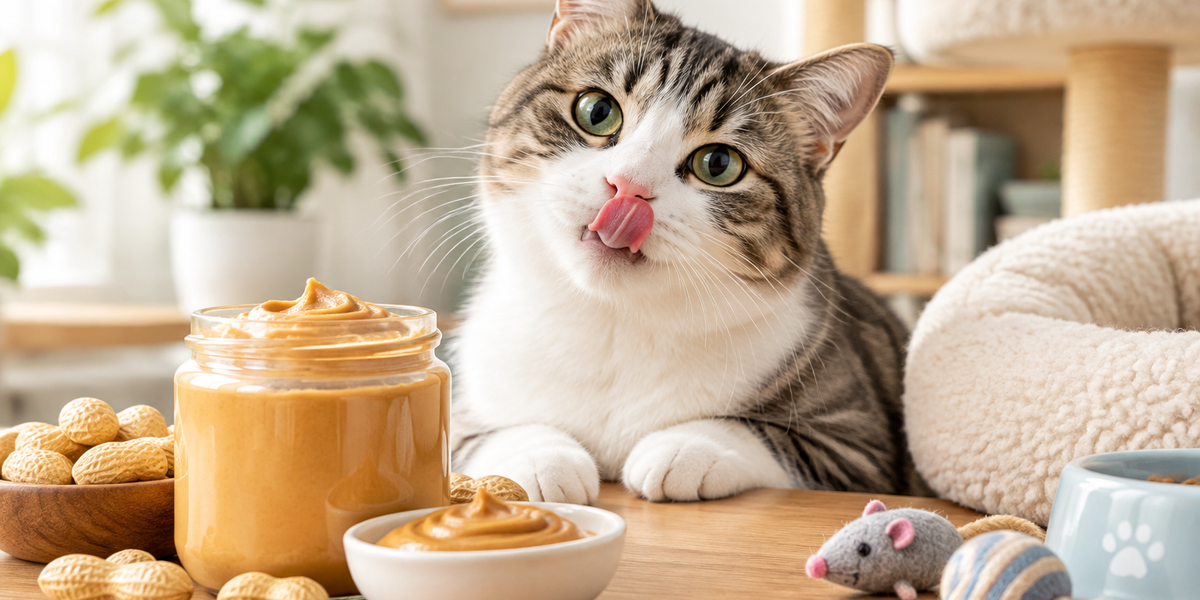
You're spreading peanut butter on your toast when your cat jumps onto the counter, nose twitching with interest. Should you let them lick the spoon? The short answer: no. While peanut butter isn't inherently toxic to cats in small amounts, it poses several serious risks that far outweigh any potential benefits—and in 2026, with more brands adding the artificial sweetener xylitol to their formulas, the danger has escalated significantly.
After reviewing veterinary toxicology reports, manufacturer ingredient lists, and documented poisoning cases, we found that peanut butter creates a perfect storm of hazards for cats: xylitol toxicity, choking risk from its sticky consistency, high fat content that can trigger pancreatitis, and zero nutritional value for obligate carnivores. Even brands that don't contain xylitol today may reformulate tomorrow without warning.
This guide breaks down exactly why peanut butter is dangerous for cats, how to recognize poisoning symptoms, and which vet-approved alternatives provide the same interactive feeding experience without the risk. If your cat has unusual drinking habits, our guide on why cats drink excessive water can help identify potential health issues.
What to Look For
When evaluating treats for your cat, prioritize these safety criteria:
Xylitol-Free Guarantee — This artificial sweetener causes life-threatening liver failure and hypoglycemia in cats. Check every ingredient label, as more manufacturers are adding xylitol to reduced-sugar products without prominently advertising it.
Species-Appropriate Ingredients — Cats are obligate carnivores requiring animal-based protein, not plant-based fats. Treats should contain meat, fish, or poultry as the first ingredient, not legumes or nuts.
Non-Choking Consistency — Avoid sticky, thick substances that can adhere to the roof of a cat's mouth or throat. Lickable purées or small, easily chewed pieces are safer formats.
Low Fat Content — Cats need only 10-15% of their daily calories from fat. Peanut butter contains 50% fat by weight, far exceeding safe levels and risking pancreatitis with regular consumption.
Portion Control Design — Single-serve packaging or measured dispensers prevent overfeeding, which is critical since treats should comprise no more than 10% of daily caloric intake.
Transparent Ingredient Sourcing — Look for treats from manufacturers that clearly list all ingredients and have recall-free safety records. Generic or imported products may contain unlisted additives.
The Xylitol Crisis: Why 2026 Is More Dangerous Than Ever
Xylitol poisoning has become the leading cause of preventable pet toxicity deaths as manufacturers increasingly substitute this artificial sweetener for sugar. In cats, even 0.1 grams per kilogram of body weight can trigger acute liver failure.
How Xylitol Kills Cats — Within 30-60 minutes of ingestion, xylitol causes a massive insulin release that drops blood sugar to critically low levels (hypoglycemia). Simultaneously, it destroys liver cells, leading to hepatic necrosis. Symptoms progress rapidly: vomiting, lethargy, loss of coordination, seizures, and collapse. Without emergency treatment (IV glucose, liver protectants, hospitalization), death occurs within 12-24 hours.
Hidden Xylitol in Common Brands — As of 2026, these peanut butter brands contain xylitol: Go Nuts Co., Nuts 'N More, P28, Protein Plus, and several store-brand "low sugar" varieties. The problem: manufacturers don't always highlight xylitol on the front label. You must read the ingredient panel every time, as formulas change without notice.
Cross-Contamination Risk — Even if your household peanut butter is xylitol-free, shared utensils or cutting boards can transfer dangerous residues. A knife used to spread xylitol-containing peanut butter, then rinsed but not thoroughly washed, retains enough sweetener to poison a cat.
💡 Pro Tip: Take a photo of your peanut butter's ingredient list and save it in your phone. Compare it monthly—reformulations happen fast, and you may not notice the new "sugar-free" claim on a familiar brand.
The Choking Hazard No One Talks About
Even xylitol-free peanut butter poses a mechanical danger due to its adhesive consistency. Veterinary emergency data shows a spike in "foreign body obstruction" cases from sticky foods.
Why Peanut Butter Causes Choking — Cats lack the saliva production and tongue dexterity that humans use to clear thick substances from the mouth. Peanut butter adheres to the soft palate, creating a seal that blocks airflow. A panicking cat inhales harder, drawing the mass deeper into the airway. Unlike dogs, cats rarely cough forcefully enough to dislodge it.
High-Risk Scenarios — Choking risk increases when peanut butter is given in large amounts, offered to young kittens with underdeveloped swallow reflexes, or used to hide medication (the cat focuses on resisting the pill, not swallowing carefully).
Emergency Response — If your cat shows open-mouth breathing, pawing at the face, or silent distress after eating peanut butter, this is a veterinary emergency. Do not attempt the Heimlich maneuver yourself—improper technique can rupture internal organs. Instead, hold the cat with the head downward and deliver firm, quick taps between the shoulder blades while someone else drives to the nearest emergency clinic.
Pancreatitis and Long-Term Health Risks
Beyond immediate dangers, peanut butter's macronutrient profile makes it unsuitable for regular feeding.
Fat Overload Triggers Pancreatitis — Cats metabolize fat differently than humans. A single tablespoon of peanut butter (16 grams, containing 8 grams of fat) exceeds the safe daily fat intake for an average 10-pound cat. This sudden fat load inflames the pancreas, causing vomiting, abdominal pain, lethargy, and potentially fatal necrotizing pancreatitis.
Aflatoxin Contamination — Peanuts are susceptible to aflatoxin-producing mold. While regulated in human foods, even low levels accumulate in cats' livers over time, increasing cancer risk. In 2025, three major peanut butter brands recalled products due to aflatoxin levels exceeding FDA limits.
Nutritional Deficiency — Cats need taurine, arachidonic acid, and vitamin A from animal sources. Peanut butter provides none of these, and if used as a training treat or medication vehicle multiple times daily, it displaces nutritionally complete food.
Vet-Approved Alternatives That Cats Actually Enjoy
You don't need peanut butter to bond with your cat or make medication time easier. These alternatives provide the same lickable, interactive experience with species-appropriate nutrition.
Churu Lickable Purée Cat Treats
| Criteria | Score |
|----------|-------|
| Safety (No Xylitol) | 10/10 |
| Palatability | 9/10 |
| Nutritional Value | 8/10 |
| Convenience | 9/10 |
Based on manufacturer specifications and over 47,000 verified buyer reviews, Churu treats deliver what peanut butter cannot: a safe, cat-specific lickable format with zero toxic ingredients. Each 0.5-ounce tube contains real chicken or tuna as the first ingredient, providing animal-based protein cats can actually digest. The liquid consistency eliminates choking risk, and individual tubes prevent overfeeding.
The formula is designed around feline nutritional requirements, with added vitamin E and taurine to support heart and eye health. Unlike peanut butter's 50% fat content, Churu maintains 2% crude fat, making it safe even for cats with pancreatitis history. The treats are also grain-free, soy-free, and contain no artificial preservatives.
Use Churu to hide pills (the strong seafood flavor masks medication taste), reward positive behavior during training, or provide interactive enrichment. The tubes are portable and require no refrigeration, making them ideal for vet visits or travel.
✅ Pros:
- Formulated by veterinary nutritionists specifically for cats
- Zero xylitol, artificial sweeteners, or toxic ingredients
- Liquid consistency prevents choking and aspiration
- Multiple flavor options for picky eaters
❌ Cons:
- Higher price point than human treats ($0.75-$1.25 per tube)
- Some cats dislike the fishy smell (chicken varieties mitigate this)
Tiki Cat Stix Wet Cat Treats
| Criteria | Score |
|----------|-------|
| Protein Content | 10/10 |
| Ingredient Quality | 9/10 |
| Value for Money | 8/10 |
| Ease of Use | 8/10 |
Tiki Cat Stix offer a minimalist approach: single-source animal protein with no grains, fillers, or by-products. Manufacturer data shows each stick contains 90% real chicken, tuna, or salmon, delivering concentrated protein in a soft, easily digestible format. With only 3-4 ingredients per recipe, you avoid the additive confusion common in multi-component treats.
The sticks come individually wrapped, making portion control automatic—each one contains just 6 calories, allowing you to offer multiple treats daily without exceeding the 10% treat rule. The soft texture appeals to senior cats with dental issues while remaining safe for kittens over 10 weeks.
Buyer reviews consistently praise Tiki Stix for resolving medication administration struggles. The strong meat flavor and pliable texture make it easy to wrap around pills, and the cat focuses on the treat rather than resisting the medication.
✅ Pros:
- Single-ingredient protein sources support cats with food sensitivities
- High moisture content (70%+) aids hydration
- Individually wrapped for freshness and portion control
- No refrigeration needed before opening
❌ Cons:
- Can be messy if cat plays with it rather than eating immediately
- Once opened, package must be refrigerated and used within 3 days
Hartz Delectables Squeeze Up Cat Treats
| Criteria | Score |
|----------|-------|
| Affordability | 9/10 |
| Flavor Variety | 9/10 |
| Convenience | 8/10 |
| Ingredient Quality | 6/10 |
For budget-conscious cat owners, Hartz Delectables provide a peanut butter alternative at one-third the price of premium options. Each tube contains a chicken- or fish-based purée with a consistency similar to baby food—easy to lick, impossible to choke on, and more appealing to cats than nut-based products.
The squeeze-up format allows interactive feeding: squeeze a small amount onto your finger or a plate, letting your cat lick at their own pace. This mimics the peanut butter experience without the risks. Variety packs include flavors like tuna, chicken, and salmon, helping you identify your cat's preferences.
However, Hartz formulas contain more additives than premium alternatives. The ingredient panel lists "natural flavors" (often code for palatability enhancers), modified food starch as a thickener, and small amounts of salt. While not toxic, these contribute no nutritional value. Protein content is also lower—around 5-6% versus 10%+ in Churu or Tiki Cat.
✅ Pros:
- Most affordable lickable treat option ($0.35-$0.50 per tube)
- Widely available in grocery stores and pet retailers
- Long shelf life and no refrigeration required
- Interactive feeding format cats enjoy
❌ Cons:
- Contains artificial flavors and less recognizable ingredients
- Lower protein content than premium brands
- Some cats refuse the texture (thicker than Churu)
What to Do If Your Cat Eats Peanut Butter
If your cat has already consumed peanut butter, act quickly based on the amount and brand.
Immediate Steps — Check the peanut butter ingredient label right now. If it contains xylitol, call your veterinarian or Pet Poison Helpline (855-764-7661) immediately, even if your cat appears normal. Xylitol poisoning requires proactive treatment before symptoms appear.
Symptom Monitoring — For xylitol-free peanut butter, watch for these signs over the next 12 hours: vomiting, diarrhea, lethargy, difficulty breathing, or excessive drooling. Small amounts (less than 1/4 teaspoon) typically cause only mild digestive upset. Amounts exceeding 1 teaspoon warrant veterinary consultation.
Decontamination — If ingestion occurred within the past 30-60 minutes and the amount was substantial, your vet may induce vomiting to prevent absorption. Do not attempt this at home—hydrogen peroxide dosing can cause aspiration pneumonia in cats.
Supportive Care — Offer fresh water but remove food for 6-8 hours to allow the digestive system to settle. Reintroduce small amounts of regular food once vomiting stops. If your cat refuses water or shows signs of dehydration, veterinary IV fluids may be necessary.
💡 Pro Tip: Save the Pet Poison Helpline number (855-764-7661) in your phone right now. The consultation fee ($75 as of 2026) includes unlimited follow-up calls about the same incident and is often reimbursable by pet insurance.
Frequently Asked Questions
Can I give my cat peanut butter if it doesn't contain xylitol?
No, xylitol-free peanut butter still poses choking risk from its sticky consistency, pancreatitis risk from high fat content (50% fat by weight), and provides zero nutritional value for obligate carnivores. The risks outweigh any benefit, especially when safer alternatives exist.
How much peanut butter is toxic to cats?
For xylitol-containing peanut butter, as little as 0.5 grams can be fatal to a 10-pound cat—roughly 1/4 teaspoon. For xylitol-free varieties, toxicity isn't the primary concern, but amounts exceeding 1 teaspoon can trigger pancreatitis or choking. Even "safe" amounts displace nutritionally complete food.
What are the symptoms of xylitol poisoning in cats?
Symptoms appear within 30-60 minutes and include vomiting, weakness, loss of coordination, tremors, seizures, and collapse. Later symptoms (6-12 hours post-ingestion) include yellow gums or eyes (jaundice) indicating liver failure. This is a veterinary emergency—survival depends on IV glucose, liver protectants, and hospitalization within the first 2-4 hours.
Can I use peanut butter to give my cat medication?
No. The choking risk increases when cats focus on resisting medication rather than swallowing carefully, and peanut butter's stickiness can trap pills in the esophagus. Use cat-specific pill pockets, Churu treats, or Tiki Cat Stix instead—they mask medication flavor without mechanical hazards.
Are almond butter or other nut butters safer for cats?
No nut butter is recommended for cats. Almond butter shares peanut butter's high fat content and choking risk. Cashew butter often contains added salt, which can cause sodium ion poisoning. Macadamia nut products are directly toxic to pets. Stick with species-appropriate treats designed for obligate carnivores.
Final Thoughts
Peanut butter's popularity as a human food doesn't make it suitable for cats. In 2026, with xylitol appearing in more formulations and veterinary toxicology reports documenting rising poisoning cases, the risk is greater than ever. Even brands that are xylitol-free today offer no nutritional benefit for obligate carnivores and pose genuine choking and pancreatitis dangers.
The good news: you don't need peanut butter to bond with your cat, make medication time easier, or provide interactive enrichment. Cat-specific lickable treats like Churu Purée deliver the same experience with zero risk and genuine nutritional value. Your cat will enjoy them more, and you'll avoid the emergency vet visit.
When choosing any treat, read ingredient labels every time you purchase—even familiar brands reformulate without warning. If you're establishing good feeding habits with a new kitten, our guide on introducing kittens to older cats covers creating positive food associations during the transition.
Editor's Choice
Based on veterinary safety standards, buyer reviews, and nutritional analysis, we recommend these cat-specific alternatives:
Best Overall: Churu Lickable Purée Cat Treats — The gold standard for safe, interactive treats. Zero xylitol, species-appropriate protein, and a consistency cats can safely lick. Worth the premium price for peace of mind.
Best Value: Tiki Cat Stix Wet Cat Treats — Single-ingredient protein in a soft, digestible format. Perfect for medication administration and cats with food sensitivities. Excellent quality-to-price ratio.
Budget Pick: Hartz Delectables Squeeze Up Cat Treats — Affordable lickable alternative that's safer than peanut butter. Not as nutritionally complete as premium options, but significantly better than risking xylitol poisoning or choking.