Disclosure: This post contains affiliate links. If you buy through them, we may earn a small commission at no extra cost to you. We only recommend gear we've researched thoroughly.
⭐ Our Top Pick
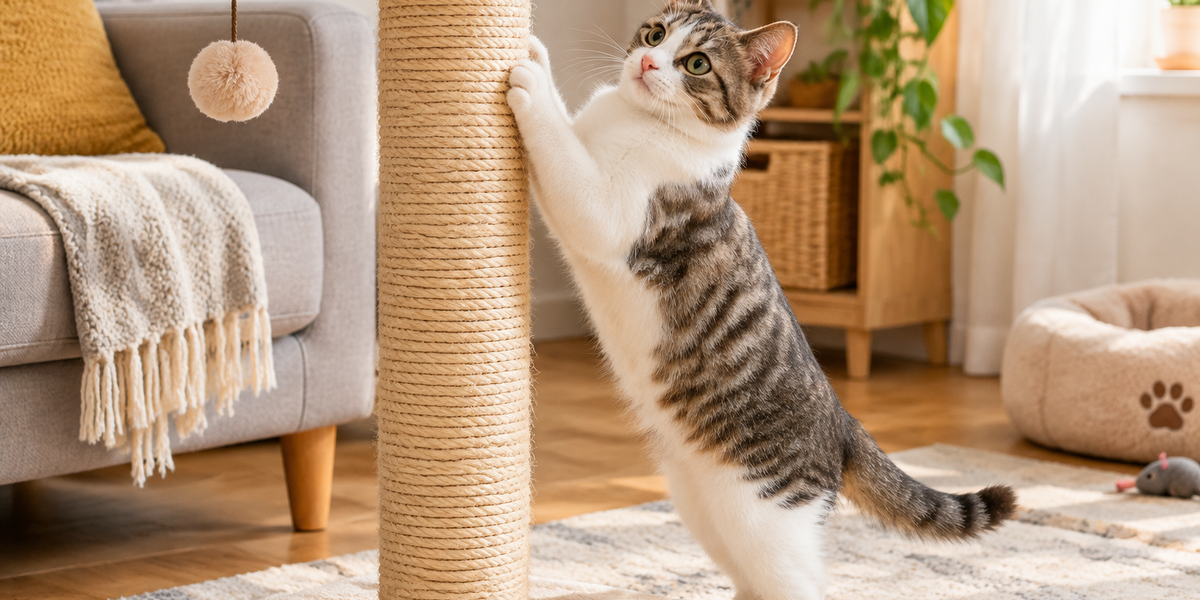
🏆 Best Overall: SmartCat Ultimate Scratching Post — Its 32-inch height and dense woven sisal let cats scratch with a full body stretch, which is exactly what they're trying to do when they attack your sofa.
💰 Best Value: Frisco 24-in Sisal Cat Scratching Post — Budget-friendly enough to buy two or three and place them exactly where your cat already scratches.
Introduction
If your cat has turned the arm of your couch into a shredded mess, you're not alone. Scratching is a hardwired feline behavior — it sheds old claw sheaths, marks territory, and provides a full-body stretch that keeps muscles limber. Punishment doesn't work. Redirecting the behavior does.
The good news: cats are remarkably trainable when you work with their instincts instead of against them. After comparing dozens of scratching posts and reviewing hundreds of verified buyer experiences, we've narrowed down seven methods that consistently work — plus the posts that make each method easier to pull off.
This guide walks you through placement, texture, height, and reward-based redirection. If you're also thinking about nail maintenance, our guide to Cat Nail Grinder vs Clippers: Which Is Safer for Home Grooming in 2026? pairs nicely with the training work below.
What to Look For
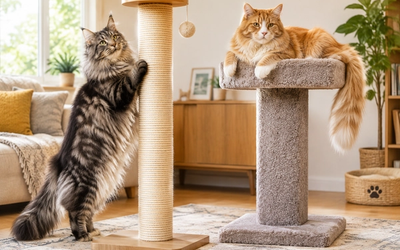
- Height matters more than width. Cats want to stretch fully — a post should be at least 30 inches tall for most adults. Short posts get ignored because they don't satisfy the stretch.
- Sisal rope or woven sisal beats carpet. Sisal has the right resistance and doesn't resemble your sofa fabric. Carpet-covered posts can actually teach cats that carpet is scratchable.
- A stable base is non-negotiable. If the post wobbles, cats abandon it. Look for wide, weighted bases or wall-mounting options.
- Vertical and horizontal options. Some cats prefer scratching on the floor. Offering both covers all preferences.
- One post isn't enough. Behaviorists recommend at least one scratching station per cat, plus one extra, placed in high-traffic areas.
The 7 Methods That Actually Work
1. Place the Post Where Your Cat Already Scratching
Don't hide the post in a corner. Put it directly in front of the furniture your cat is damaging. Once they reliably use the post, you can slowly move it a few inches at a time toward its final spot.
2. Match the Texture to Your Cat's Preference
Watch what your cat scratches. Fabric sofa? Try a sisal post. Wood trim? Try a cardboard scratcher. Carpet? Try a carpet-covered post — but only temporarily, then transition to sisal.
3. Reward Every Correct Scratch
Keep treats nearby. The moment your cat digs into the post, praise and reward. This is positive reinforcement, and it works fast — often within a week.
4. Make the Furniture Less Appealing
Double-sided tape, foil, or a fitted slipcover on the scratched area buys you time while training. Never use spray deterrents with strong citrus or menthol near where your cat eats.
5. Play Near the Post
Drag a wand toy up and over the post so your cat's claws naturally make contact. Pair the motion with a treat. This is the fastest way to build positive association.
6. Trim Nails Regularly
Blunt nails do less damage and often make cats less frantic about scratching. If you're nervous about clipping, see our nail grinder vs clippers guide for a gentler alternative.
7. Add Vertical Space
Cats scratch more when they feel secure. Wall-mounted posts and shelves give them territory. Our roundup of the Best Wall-Mounted Cat Scratching Posts 2026 covers space-saving options that free up floor area.
Product Deep-Dives
SmartCat Ultimate Scratching Post
| Criteria | Score |
|----------|-------|
| Height & Stretch | 10/10 |
| Durability | 9/10 |
| Stability | 9/10 |
| Value | 8/10 |
The SmartCat Ultimate is the post we recommend most often because it solves the number-one reason cats reject posts: it's too short. At 32 inches, it lets a full-grown cat stretch from paw to shoulder. The woven sisal surface is dense and holds up for years with normal use, and the 16x16-inch base is heavy enough that even determined cats can't tip it.
✅ Pros:
- 32-inch height supports a full-body stretch
- Dense woven sisal outlasts rope-wrapped posts
- Wide, stable base stays put
❌ Cons:
- Costs more than basic carpet posts
- Only available in one neutral color
PetFusion Ultimate Cat Scratcher Lounge
| Criteria | Score |
|----------|-------|
| Horizontal Appeal | 9/10 |
| Durability | 8/10 |
| Dual-Purpose Design | 9/10 |
| Value | 8/10 |
If your cat prefers scratching on the floor, this is the one to get. The curved recycled-cardboard surface is dense enough for heavy use, and the reversible design doubles its life. It also doubles as a lounger — many buyers report their cats nap in it daily.
✅ Pros:
- Reversible for double the lifespan
- Doubles as a favorite nap spot
- Great for floor-scratching cats
❌ Cons:
- Sheds small cardboard bits
- Not ideal for vertical scratchers
On2Pets Cat Scratching Post with Condo
| Criteria | Score |
|----------|-------|
| Multi-Function | 9/10 |
| Stability | 8/10 |
| Assembly | 7/10 |
| Value | 8/10 |
Best for multi-cat homes. This combines a tall sisal post, a cozy condo, and a perch. The weighted base handles active climbers, and the plush platforms give cats a reason to hang around the post — which means more scratching opportunities.
✅ Pros:
- Scratching, hiding, and perching in one unit
- Sturdy for active cats
- Great for multi-cat households
❌ Cons:
- Assembly takes about 20 minutes
- Takes up real floor space
Frisco 24-in Sisal Cat Scratching Post
| Criteria | Score |
|----------|-------|
| Affordability | 10/10 |
| Sisal Quality | 8/10 |
| Stability | 7/10 |
| Height | 6/10 |
This is the post to buy in multiples. At under $25, you can place one in every room your cat scratches. The natural sisal rope is a proven favorite, and the compact footprint fits tight corners. The trade-off is height — 24 inches is short for large cats.
✅ Pros:
- Budget-friendly enough to buy several
- Natural sisal rope cats love
- Compact footprint
❌ Cons:
- Too short for very large cats
- Can wobble on thick carpet
Frequently Asked Questions
How long does it take to train a cat to use a scratching post?
Most cats respond within 1–3 weeks with consistent redirection and rewards. Some pick it up in days if the post matches their preferred texture and height.
Why does my cat ignore the scratching post?
The most common reasons are: the post is too short, it wobbles, the texture doesn't match what they like, or it's placed in a low-traffic area. Fix those four things and most cats come around.
Should I punish my cat for scratching furniture?
No. Punishment creates fear and doesn't teach the desired behavior. Redirect to the post and reward immediately.
Is sisal better than carpet for a scratching post?
For most cats, yes. Sisal has the right resistance and doesn't look like your furniture fabric — so it doesn't accidentally teach cats that carpet is scratchable.
How many scratching posts does one cat need?
At minimum, one per cat plus one extra, placed in different rooms. Cats like to scratch in social areas and near where they nap.
Final Thoughts
The fastest path to a scratch-free sofa is matching your cat's natural preferences: tall enough to stretch, stable enough to trust, and textured like sisal. Combine the right post with patient redirection and rewards, and most cats make the switch within a few weeks.
Start with the SmartCat Ultimate Scratching Post if you want the best all-around option, or grab a couple of Frisco sisal posts to cover multiple rooms on a budget.
Editor's Choice
- 🏆 Best Overall: SmartCat Ultimate Scratching Post — the tall, stable sisal post that satisfies every scratching instinct.
- 💰 Best Value: Frisco 24-in Sisal Cat Scratching Post — buy several and place them where your cat already scratches.
- 🛋️ Best for Loungers: PetFusion Ultimate Cat Scratcher Lounge — a reversible horizontal scratcher that doubles as a nap spot.