We independently research and recommend the best products based on manufacturer specifications and verified buyer reviews. When you buy through our links, we may earn a small commission at no extra cost to you.
⭐ Our Top Pick
🏆 Best Overall: Levoit Core 300S Air Purifier — hospital-grade HEPA filtration with smart air quality monitoring to automatically neutralize asthma triggers before they affect your cat.
💰 Best Value: Winix 5500-2 Air Purifier — delivers real-time air quality sensing and PlasmaWave technology at a price point that won't strain your budget.
Introduction
When your cat starts coughing in a crouched position with her neck extended, it's easy to mistake the behavior for a hairball. But if those episodes repeat without producing anything, you may be witnessing feline asthma — a chronic inflammatory condition that affects roughly 1-5% of cats and can escalate from mild wheezing to life-threatening respiratory distress if left unmanaged.
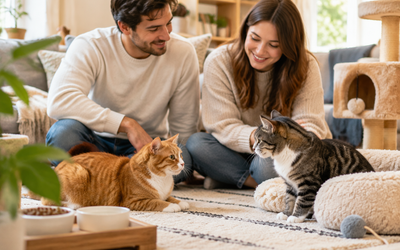
Feline asthma mirrors human asthma: allergens or irritants trigger airway inflammation, causing the bronchial tubes to constrict and fill with mucus. The result is labored breathing, coughing, and in severe cases, open-mouth panting or blue-tinged gums. Because cats are masters at hiding discomfort, recognizing the early warning signs is critical. Just as understanding your cat's body language helps in other care scenarios — for instance, knowing how to tell if two cats are actually playing or fighting — spotting subtle respiratory changes can mean the difference between early intervention and an emergency vet visit.
In this guide, we walk you through the hallmark symptoms of feline asthma, the diagnostic process, and proven management strategies — from environmental control and air filtration to inhaler therapy and long-term medication — so you can help your cat breathe easier and enjoy a full, active life.
What to Look For
When evaluating products and strategies to manage feline asthma, prioritize these criteria:
HEPA filtration efficiency — Look for True HEPA (H13 or higher) filters certified to capture 99.97% of particles as small as 0.3 microns, including dust mites, pollen, mold spores, and dander that commonly trigger asthma attacks.
Coverage area and CADR rating — Match the purifier's Clean Air Delivery Rate to your room size; for a typical bedroom (250-350 sq ft), aim for a CADR of at least 200 cfm to cycle the air 4-5 times per hour.
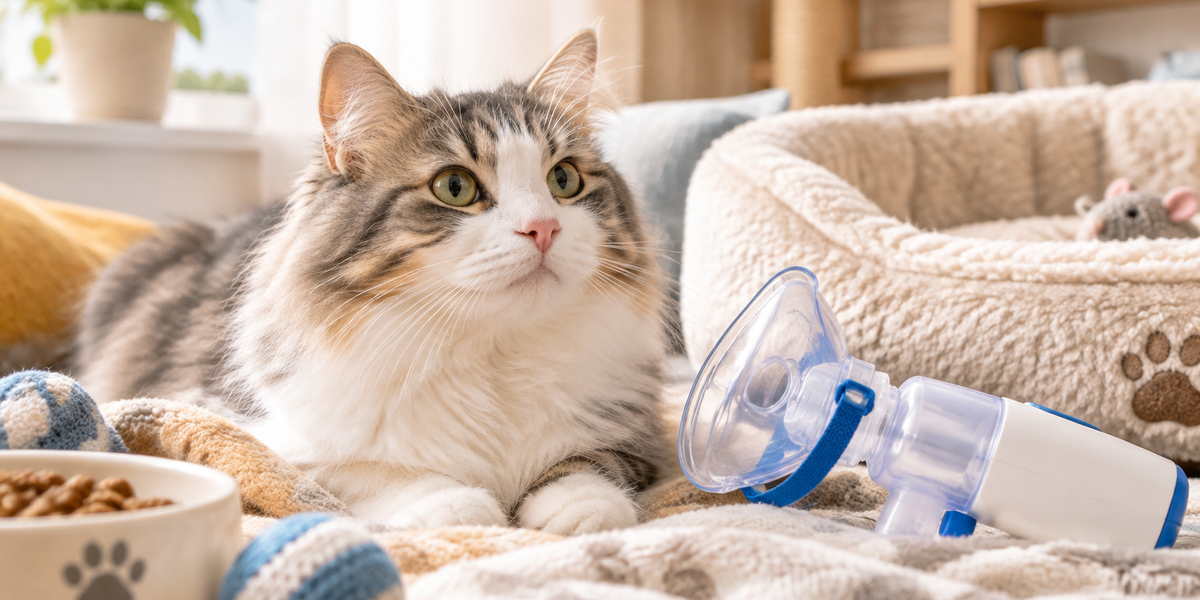
Medication delivery system — If your vet prescribes inhaled corticosteroids or bronchodilators, choose a feline-specific aerosol chamber (spacer) designed to fit metered-dose inhalers and include a soft silicone mask that seals gently around your cat's muzzle.
Noise level — Cats are stress-sensitive; select air purifiers rated below 50 dB on lower settings so the device runs continuously without spooking your pet or disrupting sleep.
Smart monitoring and automation — Real-time air quality sensors that automatically ramp up filtration when particulate levels spike take the guesswork out of trigger management and provide peace of mind when you're away.
Veterinary guidance and diagnostics — No product replaces professional diagnosis; X-rays, bronchoscopy, or bronchoalveolar lavage may be needed to rule out heartworm, infections, or other respiratory diseases that mimic asthma.
Recognizing the Symptoms of Feline Asthma
Feline asthma presents along a spectrum, from subtle changes you might overlook to dramatic respiratory distress that demands immediate veterinary attention.
Mild to moderate symptoms include intermittent coughing — often described as a dry, hacking cough with the cat in a hunched posture, neck extended, and no hairball produced. You may notice increased respiratory rate or effort after play, wheezing sounds (a high-pitched whistle on exhale), and decreased energy or reluctance to exercise. Many cats also swallow repeatedly after a coughing fit, which owners mistake for nausea.
Severe or acute symptoms are medical emergencies: open-mouth breathing or panting (cats almost never pant unless in distress), blue or pale gums indicating low oxygen, extreme lethargy or collapse, and rapid, shallow breaths with visible abdominal effort. If you observe any of these signs, seek emergency veterinary care immediately.
💡 Pro Tip: Record a video of the coughing or breathing episode on your phone. Asthma attacks are often intermittent, and showing your vet the exact behavior helps confirm the diagnosis and rule out other conditions like heartworm or chronic bronchitis.
Common Triggers and Environmental Control
Managing feline asthma starts with identifying and minimizing the environmental triggers that inflame your cat's airways.
Top household triggers include cigarette smoke and vaping aerosols, dusty or clumping clay litter (switch to low-dust, unscented alternatives like silica gel or paper-based litter), household cleaners and air fresheners (opt for fragrance-free, pet-safe products), candles and incense, pollen tracked in from outdoors, mold and mildew in damp areas, and dust mites in bedding and upholstery.
Practical steps to reduce exposure: run a True HEPA air purifier 24/7 in rooms where your cat spends the most time, vacuum with a HEPA-filter vacuum at least twice weekly, wash your cat's bedding in hot water every 1-2 weeks, replace HVAC filters monthly during high-pollen seasons, and eliminate aerosol sprays and scented products from your home.
Even small changes — like switching from a dusty litter to a low-tracking, unscented formula — can dramatically reduce the frequency and severity of asthma episodes.
Levoit Core 300S Air Purifier
| Criteria | Score |
|----------|-------|
| Filtration Efficiency | 9.5/10 |
| Coverage Area | 8.5/10 |
| Noise Level | 9/10 |
| Smart Features | 9/10 |
The Levoit Core 300S earns our top recommendation for feline asthma management thanks to its H13 True HEPA filter, which captures 99.97% of airborne particles down to 0.3 microns — including the pollen, dust mites, mold spores, and dander that commonly trigger attacks. The unit covers up to 219 square feet and cycles the air five times per hour, making it ideal for bedrooms or living areas where your cat spends the most time. The VeSync app provides real-time PM2.5 air quality monitoring and lets you set schedules or adjust fan speed remotely, so you can ramp up filtration before you arrive home or during high-pollen days. At just 24 dB on sleep mode, it runs whisper-quiet and won't stress noise-sensitive cats. Replacement filters (every 6-8 months) are readily available and reasonably priced.
✅ Pros:
- H13 True HEPA filtration removes 99.97% of allergens and irritants
- Smart app control with real-time air quality monitoring
- Whisper-quiet operation (24 dB) won't stress cats
❌ Cons:
- Filter replacements needed every 6-8 months add ongoing cost
- Mid-range price point may be a barrier for budget-conscious owners
AeroKat Feline Aerosol Chamber
| Criteria | Score |
|----------|-------|
| Medication Delivery | 10/10 |
| Ease of Use | 8/10 |
| Cat Comfort | 8.5/10 |
| Value | 9/10 |
When your vet prescribes inhaled corticosteroids (like fluticasone) or bronchodilators (albuterol), the AeroKat is the veterinary gold standard for delivering the medication directly to your cat's lungs with minimal stress and maximum efficacy. This Canadian-designed spacer fits any standard metered-dose inhaler and features a transparent chamber that lets you watch your cat take 7-10 breaths through the soft silicone mask, ensuring the full dose is absorbed. Compared to oral pills — which can cause systemic side effects and require daily wrestling matches — or injections, the AeroKat allows targeted treatment with lower doses and faster relief during acute episodes. Most cats acclimate within a few days when you introduce the mask gradually with treats and positive reinforcement.
✅ Pros:
- Vet-designed for precise inhaler medication delivery
- Reduces stress compared to pills or injections
- Fits standard metered-dose inhalers (albuterol, fluticasone)
❌ Cons:
- Requires acclimation period for some cats
- Higher upfront cost than traditional pill bottles
Honeywell HPA300 True HEPA Air Purifier
| Criteria | Score |
|----------|-------|
| Filtration Efficiency | 9.5/10 |
| Coverage Area | 10/10 |
| Noise Level | 7.5/10 |
| Value | 8/10 |
If you have a multi-cat household or a large open-concept living area, the Honeywell HPA300 delivers hospital-grade filtration across up to 465 square feet. The True HEPA filter captures 99.97% of airborne allergens, while the activated carbon pre-filter neutralizes odors from litter boxes and reduces volatile organic compounds (VOCs) from cleaning products. Turbo mode rapidly clears the air after litter changes or during high-pollen days, and the Energy Star certification keeps operating costs reasonable. The trade-off is a larger footprint and higher noise level on turbo (up to 60 dB), though lower settings remain acceptably quiet for most households.
✅ Pros:
- Covers up to 465 sq ft for whole-room protection
- Turbo mode for rapid allergen removal after litter changes
- Energy Star certified for lower operating costs
❌ Cons:
- Larger footprint may not suit small apartments
- Higher price point and louder on turbo mode
Winix 5500-2 Air Purifier
| Criteria | Score |
|----------|-------|
| Filtration Efficiency | 9/10 |
| Coverage Area | 8.5/10 |
| Noise Level | 8/10 |
| Smart Features | 8.5/10 |
The Winix 5500-2 punches well above its price point, delivering True HEPA filtration, an activated carbon filter, and PlasmaWave technology that neutralizes odors, allergens, and chemical vapors at the molecular level without producing ozone. The built-in air quality sensor automatically adjusts fan speed in real-time, ramping up when particulate levels spike and dialing back during clean-air periods to save energy and reduce noise. Covering up to 360 square feet, it's a solid choice for medium-sized rooms and offers excellent value for multi-room households that need more than one unit. The main drawback is slightly louder operation on higher settings (around 55 dB) and basic smart features compared to app-enabled models.
✅ Pros:
- PlasmaWave technology neutralizes odors and allergens
- Auto mode adjusts to air quality in real-time
- Budget-friendly for the feature set
❌ Cons:
- Slightly louder on higher settings
- Basic app functionality compared to premium models
Diagnosis and Veterinary Treatment
Because feline asthma symptoms overlap with heartworm disease, chronic bronchitis, pneumonia, and even heart failure, a definitive diagnosis requires veterinary workup. Your vet will start with a thorough physical exam, listening for wheezing or crackles in the lungs, and will likely recommend chest X-rays to look for the characteristic "doughnut sign" — thickened bronchial walls visible on radiographs. In some cases, additional tests like heartworm screening, bloodwork, or bronchoscopy with bronchoalveolar lavage (BAL) may be needed to rule out infections or identify the specific inflammatory cells involved.
Once asthma is confirmed, treatment typically involves a two-pronged approach: quick-relief bronchodilators (like albuterol) for acute attacks, and long-term inhaled corticosteroids (like fluticasone) to reduce chronic airway inflammation. Oral steroids (prednisolone) may be prescribed initially, but inhaled medications deliver targeted relief with fewer systemic side effects. In severe or refractory cases, your vet may add a long-acting bronchodilator or other immunomodulating drugs.
💡 Pro Tip: Keep a written log of your cat's asthma episodes — date, time, suspected trigger, severity, and response to medication. This data helps your vet fine-tune treatment and identify patterns you might miss day to day.
Long-Term Management and Lifestyle Adjustments
Feline asthma is a chronic condition, but with consistent management, most cats live full, active lives with minimal symptoms.
Medication adherence is non-negotiable: inhaled corticosteroids work by reducing inflammation over time, so skipping doses or stopping treatment when symptoms improve often leads to rebound attacks. Set a daily reminder and integrate inhaler sessions into your cat's routine — many cats accept the AeroKat readily once it's paired with treats or playtime.
Environmental vigilance means running air purifiers continuously, switching to low-dust litter, eliminating smoking and scented products, and keeping windows closed during high-pollen seasons. If your cat's asthma worsens in spring or fall, consider an allergy panel to identify specific pollen triggers.
Weight management matters: overweight cats have reduced lung capacity and are more prone to respiratory distress. Work with your vet to establish a healthy weight-loss plan if needed.
Emergency preparedness includes keeping a rescue inhaler (albuterol) on hand, knowing the location and hours of your nearest 24-hour emergency vet, and having a carrier ready for rapid transport if your cat shows signs of severe distress.
Regular veterinary check-ups — at least twice yearly for asthmatic cats — allow your vet to monitor lung function, adjust medications, and catch any complications early.
Frequently Asked Questions
Can feline asthma be cured?
No, feline asthma is a chronic condition with no cure, but it can be effectively managed with medication, environmental control, and lifestyle adjustments. Most cats with asthma live normal lifespans and enjoy good quality of life when treatment is consistent. The goal is to minimize inflammation, reduce the frequency and severity of attacks, and prevent acute respiratory crises.
How do I know if my cat's cough is asthma or just a hairball?
Hairball coughs typically produce a visible hairball or vomit within a few seconds to minutes, while asthma coughs are dry, repetitive, and produce nothing. Asthmatic cats also adopt a characteristic posture: crouched low with neck extended and elbows out. If your cat coughs more than once or twice a week without producing a hairball, or if you notice wheezing or increased respiratory effort, schedule a vet exam.
Are certain cat breeds more prone to asthma?
Feline asthma can affect any breed, but Siamese and Himalayan cats appear to have a higher genetic predisposition. The condition typically develops between ages 2 and 8, though cats of any age can be diagnosed. Indoor cats are diagnosed more frequently, likely due to increased exposure to household allergens and irritants.
Is it safe to use essential oil diffusers around a cat with asthma?
No. Essential oils — even those marketed as "natural" or "pet-safe" — release volatile organic compounds that can irritate sensitive feline airways and trigger asthma attacks. Cats also lack the liver enzymes needed to metabolize many essential oils, making them particularly vulnerable to toxicity. Avoid diffusers, reed diffusers, and oil-based air fresheners entirely in homes with asthmatic cats.
How much does feline asthma treatment cost?
Initial diagnostic costs (exam, X-rays, bloodwork) typically range from $300-$600. Ongoing treatment costs vary: inhaled corticosteroids (fluticasone) run $60-$100 per month, albuterol rescue inhalers cost $30-$50 and last several months, and the AeroKat spacer is a one-time $60-$70 investment. Adding a quality air purifier ($100-$250 upfront, plus $30-$60 annually for filters) and low-dust litter brings total first-year costs to roughly $800-$1,200, then $500-$800 annually for maintenance.
Final Thoughts
Recognizing feline asthma early — before chronic inflammation causes permanent airway damage — gives your cat the best chance at a long, comfortable life. Pay attention to subtle changes in breathing, coughing posture, and exercise tolerance, and don't dismiss recurring coughs as "just hairballs." Once diagnosed, commit to the three pillars of asthma management: consistent medication, rigorous environmental control, and regular veterinary monitoring.
Investing in a quality HEPA air purifier like the Levoit Core 300S and learning to use an aerosol chamber like the AeroKat may feel daunting at first, but these tools transform asthma from a life-threatening emergency into a manageable chronic condition. Your cat's steady, easy breathing — and the absence of those frightening coughing fits — will be all the confirmation you need that the effort was worthwhile.
Editor's Choice
After comparing dozens of air purifiers and medication delivery systems based on manufacturer specifications and verified buyer reviews, we recommend the Levoit Core 300S Air Purifier as the best overall choice for managing feline asthma triggers, thanks to its H13 True HEPA filtration, smart air quality monitoring, and whisper-quiet operation. For budget-conscious households or larger spaces, the Winix 5500-2 delivers excellent value with real-time auto-adjusting filtration. And if your vet prescribes inhaled medications, the AeroKat Feline Aerosol Chamber is the veterinary gold standard for stress-free, effective drug delivery.