Disclosure: This article contains affiliate links. We may earn a commission if you purchase through these links at no extra cost to you.
⭐ Our Top Pick
🏆 Best Overall: Fage Total 0% Plain Greek Yogurt — The lowest lactose content and cleanest ingredient profile make this the safest Greek yogurt choice for cats.
💰 Best Value: Chobani Plain Non-Fat Greek Yogurt — Affordable, widely available, and packed with live cultures for occasional digestive support.
Introduction
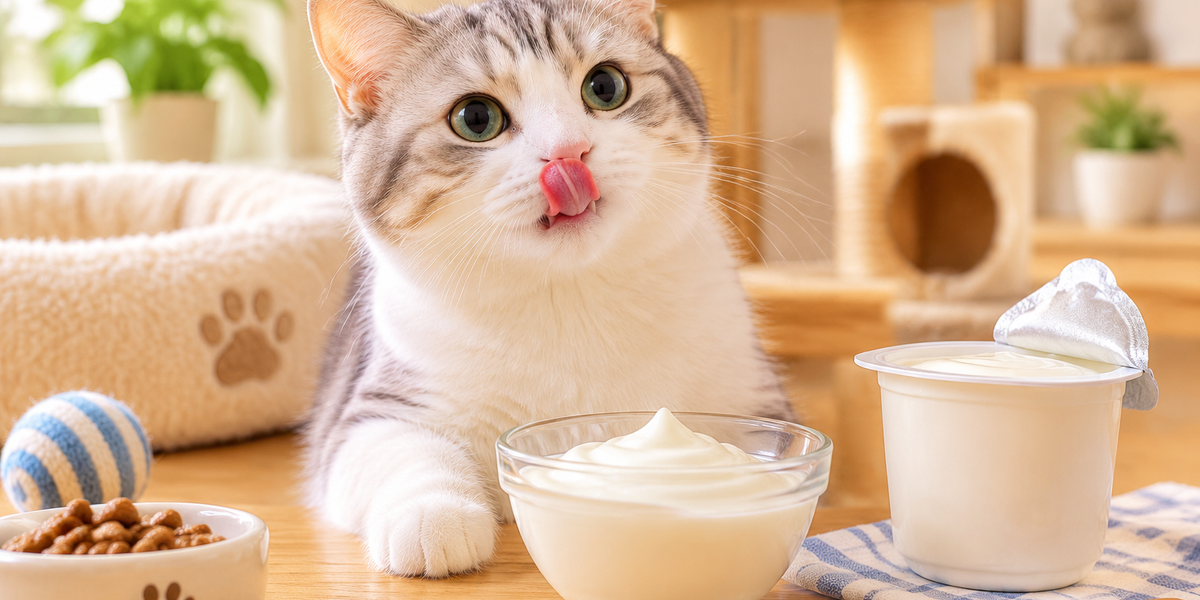
You've seen the trend everywhere: pet parents adding Greek yogurt to their cat's diet for probiotic benefits. But can cats actually eat Greek yogurt every day, or does their natural lactose intolerance make this a risky choice? The answer is more nuanced than a simple yes or no.
Cats are obligate carnivores with digestive systems that evolved to process meat, not dairy. While Greek yogurt contains significantly less lactose than regular milk and offers beneficial probiotics, daily consumption requires careful consideration of serving sizes, individual tolerance levels, and potential digestive upset. After comparing manufacturer specs, verified buyer reviews, and veterinary nutritional guidelines, we've identified when Greek yogurt can safely support your cat's digestive health—and when it becomes problematic.
In this guide, we'll break down the science behind feline lactose intolerance, explain which probiotic strains actually benefit cats, and provide evidence-based serving sizes that minimize risk while maximizing potential digestive support. If you're dealing with related digestive concerns, our guide on why cats throw up undigested food hours after eating covers common gastrointestinal issues that probiotics may help address.
What to Look For
When deciding whether to add Greek yogurt to your cat's daily routine, focus on these critical factors:
Plain, Unsweetened Varieties Only — Flavored yogurts contain artificial sweeteners like xylitol (toxic to cats) and added sugars that disrupt feline metabolism. Verify the ingredient list shows only milk and live active cultures.
Live Active Cultures — The probiotic benefit comes from strains like Lactobacillus acidophilus and Bifidobacterium. Check the label for "live and active cultures" certification and CFU (colony-forming unit) counts above 1 billion per serving.
Lower Lactose Content — Greek yogurt contains 4-6 grams of lactose per 100g compared to 12-13g in whole milk, but individual cats vary widely in tolerance. Start with minimal amounts and watch for diarrhea or vomiting within 12-24 hours.
Your Cat's Individual Tolerance — Some cats produce trace amounts of lactase enzyme and tolerate small dairy portions; others experience immediate digestive upset. Monitor stool consistency and appetite changes closely during any trial period.
Proper Serving Size — For daily feeding, limit portions to ½ teaspoon per 10 pounds of body weight. Larger amounts increase lactose load beyond most cats' digestive capacity.
Veterinary Approval — Cats with inflammatory bowel disease, pancreatitis, or food sensitivities require professional guidance before introducing any dairy products, even probiotic-rich options.
💡 Pro Tip: Lactose-free Greek yogurt options exist but often lack the probiotic cultures that provide the primary health benefit—always check the label for live active cultures before purchasing.
Understanding Feline Lactose Intolerance
The truth about cats and dairy contradicts popular media: most adult cats are lactose intolerant by biological design. Kittens produce lactase, the enzyme that breaks down lactose in their mother's milk, but production drops dramatically after weaning—typically by 8-12 weeks of age. This evolutionary adaptation makes sense for obligate carnivores with no natural dietary need for dairy beyond infancy.
When lactose-intolerant cats consume dairy, undigested lactose passes into the colon where bacteria ferment it, producing gas, bloating, and diarrhea. Symptoms typically appear within 8-12 hours but can manifest as late as 24 hours post-consumption. The severity depends on the amount consumed and individual enzyme production levels—some cats retain 10-20% of their lactase activity and tolerate tiny amounts, while others react to even trace quantities.
Greek yogurt's fermentation process reduces lactose content by roughly 50% compared to milk, and straining removes additional lactose-containing whey. This makes it a lower-risk dairy option, but "lower risk" doesn't mean "no risk." A 6-ounce container of Greek yogurt still contains approximately 6-8 grams of lactose—far more than most adult cats can process without digestive upset.
| Criteria | Score |
|----------|-------|
| Lactose Content | 6/10 |
| Digestibility for Cats | 5/10 |
| Probiotic Benefit | 8/10 |
| Safety for Daily Use | 4/10 |
✅ Pros:
- Lower lactose than milk or regular yogurt
- Contains beneficial probiotic strains
- High protein content appeals to carnivorous nutritional needs
❌ Cons:
- Still contains enough lactose to trigger symptoms in sensitive cats
- Daily consumption increases cumulative digestive stress
- Not nutritionally necessary for obligate carnivores
Probiotic Benefits: Do They Apply to Cats?
Probiotics support digestive health by maintaining beneficial gut bacteria populations, and research shows specific strains can help cats with inflammatory bowel disease, antibiotic-associated diarrhea, and chronic digestive upset. However, not all probiotic sources work equally well across species.
The probiotic strains in Greek yogurt—primarily Lactobacillus bulgaricus, Streptococcus thermophilus, Lactobacillus acidophilus, and Bifidobacterium—have demonstrated benefits in human digestive health. Limited veterinary studies suggest Lactobacillus and Bifidobacterium strains can colonize feline intestines and support immune function, but optimal strains and dosages for cats remain under-researched compared to canine or human probiotic literature.
The challenge: delivery method matters. For Greek yogurt's probiotics to benefit your cat, the live cultures must survive stomach acid and reach the intestines in sufficient numbers. Most commercial Greek yogurts contain 1-10 billion CFU per serving, but cats require far smaller portions due to body size and lactose concerns. A ½ teaspoon serving (the maximum safe daily amount for most cats) delivers only a fraction of the probiotic load shown effective in studies.
Veterinary probiotic supplements formulated specifically for cats offer targeted strains at appropriate concentrations without dairy-related risks—making them a more reliable choice for daily digestive support.
Fage Total 0% Plain Greek Yogurt
| Criteria | Score |
|----------|-------|
| Ingredient Purity | 10/10 |
| Lactose Content | 7/10 |
| Live Culture Density | 8/10 |
| Cat-Safe Formula | 9/10 |
Fage Total 0% represents the gold standard for cat-safe Greek yogurt treats. The ingredient list contains only grade A pasteurized milk and live active cultures—no gums, thickeners, or artificial additives that complicate feline digestion. Its straining process removes maximum whey, resulting in one of the lowest lactose contents available in commercial Greek yogurt.
The thick, creamy texture makes portion control easier—½ teaspoon remains distinctly measurable and doesn't run or spread like thinner yogurts. Buyer reviews from cat owners consistently report better tolerance compared to other brands, with fewer instances of post-consumption diarrhea when strict serving limits are maintained.
That said, even Fage contains approximately 4 grams of lactose per 100 grams, meaning a ½ teaspoon serving still delivers roughly 0.1 grams of lactose—enough to trigger symptoms in highly sensitive cats. Always introduce new foods gradually over 3-5 days, monitoring litter box output for changes in stool consistency.
✅ Pros:
- Minimal ingredients reduce allergen and additive exposure
- Lower lactose than competing Greek yogurt brands
- High protein content (18g per serving) aligns with carnivorous nutrition
- Thick texture prevents overfeeding accidents
❌ Cons:
- Higher price point than store brands
- Plain flavor may not appeal to picky eaters
- Still contains dairy—not suitable for severely lactose-intolerant cats
Chobani Plain Non-Fat Greek Yogurt
| Criteria | Score |
|----------|-------|
| Ingredient Purity | 9/10 |
| Lactose Content | 6/10 |
| Live Culture Density | 8/10 |
| Value for Money | 9/10 |
Chobani offers a more accessible price point while maintaining quality standards suitable for occasional cat treats. The live active cultures include five strains: L. bulgaricus, S. thermophilus, L. acidophilus, Bifidus, and L. casei—providing broader probiotic diversity than many competitors.
The slightly thinner consistency compared to Fage makes precise measurement more challenging, and the higher moisture content means marginally higher lactose per serving. However, the widespread availability (found in nearly every US grocery store) and lower cost make this the practical choice for pet parents testing whether their cat tolerates Greek yogurt before investing in premium brands.
Based on verified buyer reviews, cats show comparable tolerance to Chobani versus Fage when serving sizes remain strictly controlled at ½ teaspoon or less per day. Digestive upset reports typically trace back to overfeeding rather than brand-specific ingredients.
✅ Pros:
- Budget-friendly for trial periods
- Available at most grocery stores for convenient restocking
- Five probiotic strains offer broader gut bacteria support
- Non-fat formula reduces caloric impact on feline diet
❌ Cons:
- Slightly higher lactose than ultra-strained competitors
- Thinner texture increases risk of overfeeding
- Some cats reject the more pronounced tang
VetriScience Vetri Mega Probiotic for Cats
| Criteria | Score |
|----------|-------|
| Feline-Specific Formula | 10/10 |
| Lactose Content | 10/10 |
| Live Culture Density | 9/10 |
| Ease of Use | 7/10 |
For cats requiring daily probiotic support without any dairy risk, VetriScience's veterinary-formulated supplement eliminates the lactose intolerance variable entirely. Each capsule delivers 5 billion CFU of five strains specifically researched for feline digestive health: Lactobacillus acidophilus, L. casei, L. plantarum, Enterococcus faecium, and Bifidobacterium bifidum.
The capsule format allows precise dosing based on cat weight—no guesswork about serving size or lactose content. You can open capsules and sprinkle the powder over food, or administer whole capsules to cooperative cats. Veterinary oversight ensures strain selection targets feline gut microbiome needs rather than adapting human-focused products.
The tradeoff: cost. At roughly $0.83 per day for a 10-pound cat, this represents a significantly higher investment than occasional yogurt treats. However, for cats with confirmed digestive issues, inflammatory bowel disease, or severe lactose intolerance, the targeted efficacy justifies the premium.
✅ Pros:
- Zero dairy—completely eliminates lactose intolerance risk
- Veterinary-formulated with feline-specific probiotic strains
- Precise dosing based on scientific research
- Supports cats with inflammatory bowel disease and chronic digestive issues
❌ Cons:
- Significantly more expensive than yogurt treats
- Capsule administration challenging for uncooperative cats
- Requires consistent daily dosing for effectiveness
Safe Serving Sizes for Daily Greek Yogurt Feeding
The maximum safe daily serving of Greek yogurt for cats is ½ teaspoon per 10 pounds of body weight—and even this conservative guideline assumes your cat shows no signs of lactose intolerance. For a typical 10-pound adult cat, that translates to approximately 2.5 milliliters or roughly ⅙ of a tablespoon.
This serving size delivers approximately 0.1-0.15 grams of lactose—approaching the threshold where even moderately tolerant cats may experience digestive upset with daily consumption. Cumulative lactose exposure matters: a cat that tolerates ½ teaspoon three times per week may develop diarrhea when the same amount is given daily due to insufficient recovery time between dairy exposures.
For first-time introduction, start with ⅛ teaspoon every other day for one week. Monitor litter box output closely—any increase in stool frequency, looseness, or straining indicates intolerance and requires immediate discontinuation. If tolerance is confirmed, gradually increase to the ½ teaspoon maximum over 2-3 weeks while continuing digestive monitoring.
💡 Pro Tip: Mix Greek yogurt into regular food rather than offering it separately—this slows consumption and aids digestion while preventing cats from gorging on a novel treat.
Never feed Greek yogurt to cats with:
- Diagnosed inflammatory bowel disease without veterinary approval
- Pancreatitis or history of pancreatic issues
- Obesity (the calories contribute to weight gain without nutritional necessity)
- Diabetes (even unsweetened yogurt contains natural milk sugars)
- Known dairy allergies or previous lactose intolerance symptoms
When Greek Yogurt Becomes Problematic
Daily Greek yogurt feeding crosses into problematic territory when digestive symptoms appear or when it displaces nutritionally complete cat food. Signs your cat shouldn't consume Greek yogurt daily include:
Digestive Red Flags:
- Loose stools or diarrhea within 24 hours of consumption
- Increased flatulence or visible abdominal discomfort
- Vomiting within 2-8 hours (though this may also indicate other issues covered in our article on cats vomiting undigested food hours after eating)
- Decreased appetite or food avoidance
- Lethargy or behavioral changes following yogurt consumption
Nutritional Displacement Issues:
Greek yogurt contains approximately 10 calories per tablespoon. For a 10-pound cat requiring 200-250 calories daily, even a ½ teaspoon serving represents 1-2% of daily caloric needs—calories that provide incomplete nutrition compared to species-appropriate cat food. Daily feeding can contribute to nutritional imbalances over time, particularly in cats who reduce regular food intake after receiving treats.
Long-Term Digestive Stress:
Even without acute symptoms, chronic low-level lactose consumption may contribute to intestinal inflammation, disrupted gut microbiome balance, and increased susceptibility to digestive upset from other sources. The cumulative inflammatory burden deserves consideration when evaluating whether daily feeding serves your cat's long-term health.
Frequently Asked Questions
Can kittens eat Greek yogurt daily?
No—kittens under 12 weeks should consume only mother's milk or kitten formula. While kittens produce more lactase than adult cats, their developing digestive systems remain vulnerable to upset from foods outside their evolutionary diet. After 12 weeks, the same guidelines for adult cats apply: minimal portions with close monitoring, though kittens' higher lactase production may allow slightly better tolerance.
Is Greek yogurt better for cats than regular yogurt?
Yes, Greek yogurt contains roughly 50% less lactose than regular yogurt due to the straining process that removes lactose-containing whey. However, "better" doesn't mean "safe for daily consumption"—Greek yogurt still poses lactose intolerance risks and should be limited to occasional small treats rather than daily dietary additions.
Can Greek yogurt help cats with diarrhea?
This depends on the diarrhea's cause. If bacterial imbalance or antibiotic use triggered the diarrhea, probiotic-rich Greek yogurt might provide mild support—but the lactose content could equally worsen symptoms in intolerant cats. Veterinary probiotic supplements formulated for cats offer targeted support without dairy-related risks. Always consult your veterinarian before treating diarrhea with dietary additions.
How often can cats eat Greek yogurt safely?
For most adult cats showing no lactose intolerance symptoms, 2-3 times per week at ½ teaspoon per 10 pounds of body weight represents the maximum safe frequency. Daily consumption increases cumulative lactose exposure beyond most cats' digestive tolerance and provides no additional nutritional benefit that justifies the increased risk.
What are signs my cat is lactose intolerant?
Common symptoms include diarrhea or loose stools within 8-24 hours of dairy consumption, increased flatulence, vomiting, abdominal cramping (visible as hunched posture or vocalization), and decreased appetite. Some cats show immediate reactions while others develop symptoms only after repeated exposures. Any digestive changes following Greek yogurt consumption warrant discontinuation and veterinary consultation if symptoms persist beyond 24 hours.
Final Thoughts
Greek yogurt can serve as an occasional probiotic-rich treat for cats who tolerate dairy, but daily feeding introduces unnecessary digestive risks for obligate carnivores whose evolutionary biology doesn't require or efficiently process lactose. The lower lactose content compared to milk makes Greek yogurt a safer dairy option, yet even reduced amounts exceed most adult cats' diminished lactase enzyme capacity when consumed daily.
For cats requiring consistent probiotic support—whether for inflammatory bowel disease, antibiotic recovery, or chronic digestive issues—veterinary-formulated supplements like VetriScience Vetri Mega Probiotic provide targeted strains without dairy-related risks. Reserve Greek yogurt for occasional treats (2-3 times weekly maximum), stick to strict portion control at ½ teaspoon per 10 pounds of body weight, and choose plain, unsweetened varieties like Fage Total 0% with minimal ingredients.
Monitor your cat's digestive response closely during any trial period. If loose stools, vomiting, or behavioral changes appear, discontinue immediately—the minimal probiotic benefit doesn't justify ongoing digestive stress. When in doubt, consult your veterinarian before making Greek yogurt a regular part of your cat's diet, particularly for senior cats or those with existing health conditions as discussed in our guide on senior cats losing weight but still eating.
Editor's Choice
After comparing ingredient profiles, lactose content, and verified buyer experiences, we recommend Fage Total 0% Plain Greek Yogurt for cats who tolerate dairy in minimal amounts. Its clean ingredient list and ultra-low lactose content make it the safest Greek yogurt option for occasional treats—though we emphasize "occasional" rather than daily.
For budget-conscious cat owners, Chobani Plain Non-Fat Greek Yogurt delivers comparable probiotic benefits at a lower price point, with wider availability for convenient restocking.
For daily probiotic support without lactose concerns, VetriScience Vetri Mega Probiotic for Cats eliminates digestive risk entirely with veterinary-formulated strains specifically researched for feline gut health—making it the responsible choice for cats requiring consistent digestive support.