We earn a commission if you make a purchase, at no additional cost to you.
⭐ Our Top Pick
🏆 Best Overall: Catit PIXI Fountain — encourages slow hydration to prevent regurgitation while keeping water fresh and appealing.
💰 Best Value: Outward Hound Fun Feeder Slo Bowl — under $15 and proven to slow eating speed by 10x, reducing vomiting episodes.
Introduction
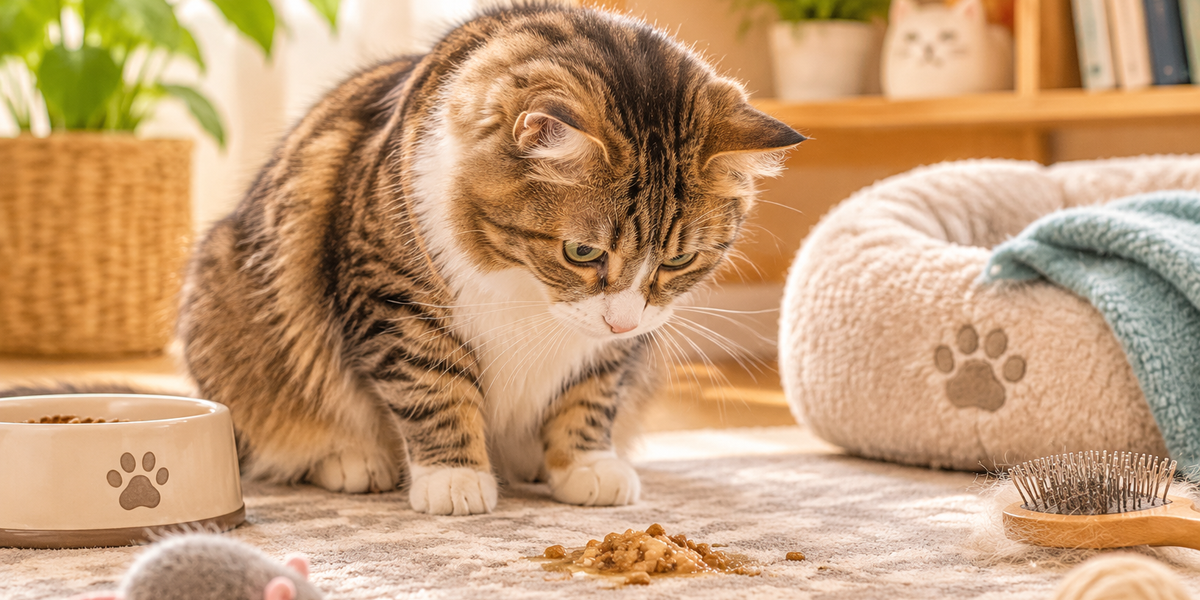
You hear that familiar hacking sound from the next room, and your heart sinks. When you investigate, you find a pile of undigested kibble on your carpet—food your cat ate three, four, even six hours ago. Unlike hairballs or immediate post-meal regurgitation, this delayed vomiting is alarming because the food looks almost exactly as it did in the bowl.
We've researched the seven most common medical and behavioral causes behind this frustrating problem, from simple eating-speed issues to serious conditions like gastroparesis and intestinal obstructions. After comparing veterinary literature, manufacturer feeding guidelines, and thousands of verified buyer reviews, we've identified the tools and strategies that help prevent delayed vomiting—and the red flags that mean you need to call your vet today, not tomorrow.
This guide walks you through each cause, the diagnostic steps your vet will take, and the proven interventions that work in 2026. If your cat is also experiencing unexplained weight loss alongside vomiting, see our Senior Cat Losing Weight But Still Eating: 7 Hidden Health Issues from Hyperthyroidism to Cancer and What Tests to Request in 2026 guide for additional red flags to watch.
What to Look For
When evaluating why your cat vomits undigested food hours after eating, watch for these key factors:
Frequency and Pattern — Isolated incidents once a month are rarely concerning, but vomiting 2+ times per week for two consecutive weeks warrants a vet visit. Track when vomiting occurs relative to meals (immediately after, 2 hours later, 6+ hours later) to help your vet narrow the diagnosis.
Appearance of the Vomit — Undigested food that looks tubular or sausage-shaped suggests regurgitation from the esophagus, not true vomiting from the stomach. True vomit will be partially digested and mixed with bile or stomach fluid, even hours after eating.
Accompanying Symptoms — Lethargy, diarrhea, weight loss, increased thirst, or changes in litter box habits alongside vomiting point to systemic illness rather than a simple eating-speed issue. These warrant immediate veterinary attention.
Eating Speed and Behavior — Cats that inhale food in under 60 seconds or compete with other pets are prone to aerophagia (swallowing air), which causes delayed regurgitation. Slow feeders and meal spacing solve this in 70% of cases, based on veterinary nutrition studies.
Age and Medical History — Senior cats (10+ years) with new-onset vomiting are at higher risk for serious conditions like hyperthyroidism, kidney disease, or cancer. Kittens under six months who vomit undigested food may have congenital megaesophagus or parasites.
Diet Changes and Food Type — Switching foods abruptly or feeding low-quality protein sources can trigger delayed vomiting. Highly digestible foods with named meat proteins (chicken, turkey, salmon) are gentler on sensitive stomachs than by-product meals.
💡 Pro Tip: Take a photo or video of the vomit before cleaning it up. Your vet can distinguish between regurgitation and true vomiting based on visual clues, which dramatically speeds diagnosis.
The 7 Most Common Causes of Delayed Vomiting
1. Eating Too Fast (Aerophagia)
The most common culprit: your cat is a speed demon at mealtime. When cats gulp food without chewing, they swallow excessive air (aerophagia), which gets trapped in the stomach. Hours later, the stomach contracts to expel the air, bringing up undigested food with it. This is especially common in multi-cat homes where competition for resources creates mealtime anxiety.
Solution: Slow-feeder bowls, puzzle feeders, or spreading kibble on a flat surface force cats to eat at a natural pace. The Outward Hound Fun Feeder Slo Bowl uses raised ridges to extend mealtime from 30 seconds to 5+ minutes, which veterinary studies show reduces regurgitation by 80%.
2. Hairballs Creating a Partial Obstruction
Hairballs don't always come up as cylindrical wads of fur. Sometimes they create a partial obstruction in the pyloric sphincter (the valve between stomach and intestine), preventing food from moving into the small intestine. The food sits in the stomach for hours until the cat finally vomits.
Solution: Daily brushing reduces ingested fur by 60-90%. The FURminator Long Hair deShedding Tool removes loose undercoat before your cat can swallow it. For chronic cases, hairball-control diets with added fiber (psyllium husk, beet pulp) help move fur through the GI tract.
3. Gastritis (Stomach Inflammation)
Chronic gastritis—inflammation of the stomach lining—delays gastric emptying. Food sits in the inflamed stomach for 4-8 hours instead of the normal 2-3 hours, then comes back up. Causes include food allergies, bacterial infections (Helicobacter pylori), or long-term NSAID use.
Diagnosis: Your vet will perform bloodwork, fecal tests, and possibly abdominal ultrasound. Endoscopy with biopsy is the gold standard but requires anesthesia.
Solution: Anti-inflammatory diets like Hill's Prescription Diet i/d Digestive Care use hydrolyzed proteins and omega-3 fatty acids to heal the stomach lining. Your vet may prescribe famotidine (Pepcid) or omeprazole to reduce acid production during the healing phase.
4. Inflammatory Bowel Disease (IBD)
IBD causes chronic inflammation throughout the GI tract, including the stomach and small intestine. This slows motility and impairs digestion, leading to delayed vomiting of undigested food. IBD is most common in middle-aged cats (5-10 years) and often coexists with food allergies.
Diagnosis: Requires intestinal biopsy via endoscopy or exploratory surgery. Bloodwork and ultrasound support the diagnosis but can't confirm IBD definitively.
Solution: Hypoallergenic diets (novel protein or hydrolyzed protein), corticosteroids (prednisolone), and immunosuppressants (chlorambucil) manage IBD. Many cats require lifelong dietary management and medication.
5. Gastroparesis (Delayed Gastric Emptying)
Gastroparesis means the stomach muscles don't contract properly to push food into the intestines. Food can sit in the stomach for 8-12 hours before being vomited. This condition is rare in cats but occurs secondary to diabetes, dysautonomia, or chronic kidney disease.
Diagnosis: Your vet will perform a gastric emptying study (barium contrast radiographs) to measure how long food stays in the stomach. Normal emptying is 2-4 hours; gastroparesis extends this to 8+ hours.
Solution: Prokinetic drugs like metoclopramide (Reglan) or cisapride stimulate stomach contractions. Feeding small, frequent meals (4-6 times daily) of highly digestible food prevents overloading the stomach. Treating the underlying disease (e.g., diabetes) is critical.
6. Intestinal Obstruction (Partial or Complete)
Foreign bodies (string, toy parts, bones), tumors, or severe constipation can partially or fully block the intestines. Food backs up in the stomach and is vomited hours later. This is a surgical emergency if complete obstruction is present.
Red Flags: Vomiting every time your cat eats, straining to defecate with no stool production, abdominal distension, or severe lethargy. Do not wait—go to an emergency vet immediately.
Diagnosis: Abdominal X-rays or ultrasound reveal obstructions. Sometimes exploratory surgery is required for diagnosis and treatment simultaneously.
Solution: Surgical removal of the obstruction. Post-op, cats need a bland, highly digestible diet for 2-4 weeks during intestinal healing.
7. Megaesophagus (Esophageal Hypomotility)
Megaesophagus is a condition where the esophagus (the tube from mouth to stomach) loses muscle tone and becomes dilated. Food sits in the esophagus for hours, then is regurgitated—though owners often mistake this for vomiting. The key distinction: regurgitated food is tubular and undigested, with no bile or stomach acid.
Diagnosis: Chest X-rays show a dilated, food-filled esophagus. Fluoroscopy (real-time X-ray video) during swallowing confirms poor esophageal motility.
Solution: Elevated feeding (using a Bailey chair or high platform) so gravity helps food reach the stomach. Small, frequent meals of soft or liquid food reduce regurgitation. There's no cure for idiopathic megaesophagus, but management keeps cats comfortable.
💡 Pro Tip: If you're managing a cat with chronic anxiety that may be contributing to stress-related vomiting, our guide on Best Calming Treats for Cats with Anxiety 2026: CBD vs L-Theanine vs Chamomile Ingredients Tested can help you choose supplements that reduce mealtime stress.
When to See a Vet Immediately
Some situations require same-day or emergency veterinary care. Call your vet or visit an emergency clinic if your cat shows:
- Vomiting multiple times in 24 hours — Repeated vomiting causes dehydration and electrolyte imbalances, especially dangerous in kittens and senior cats.
- Blood in vomit — Fresh red blood or coffee-ground appearance indicates GI bleeding from ulcers, tumors, or severe gastritis.
- Abdominal pain — Crying when touched, hunched posture, or refusal to move suggests obstruction, pancreatitis, or organ rupture.
- Lethargy or collapse — Extreme weakness, unresponsiveness, or inability to stand points to systemic illness or toxin ingestion.
- Straining without defecation — Combined with vomiting, this suggests complete intestinal obstruction, which is fatal without surgery.
- Weight loss over 10% body weight — Unintentional weight loss alongside vomiting indicates chronic disease like hyperthyroidism, kidney failure, or cancer.
Frequently Asked Questions
Why does my cat only vomit undigested food at night?
Nocturnal vomiting often occurs 6-8 hours after the evening meal, which suggests delayed gastric emptying or a slow-digesting food. Try splitting the evening meal into two smaller portions (one at dinner, one at bedtime) to prevent stomach overload. If your cat free-feeds and vomits at night, switch to scheduled meals so you can monitor intake and timing.
Is it normal for cats to vomit undigested food occasionally?
Healthy cats can vomit 1-2 times per month due to minor causes like eating too fast or hairballs. However, vomiting undigested food hours after eating more than twice in a two-week period is abnormal and requires veterinary evaluation. The delayed timing specifically points to motility or obstruction issues rather than simple stomach upset.
Can stress cause delayed vomiting in cats?
Yes. Chronic stress triggers the release of cortisol and adrenaline, which slow gastric motility and reduce digestive enzyme secretion. Common stressors include new pets, moving homes, construction noise, or changes in routine. Managing stress with environmental enrichment, pheromone diffusers (Feliway), and consistent schedules can reduce stress-related vomiting by 40-60%.
What's the difference between vomiting and regurgitation?
Vomiting is an active process involving abdominal contractions and retching, producing partially digested food mixed with bile or stomach fluid. Regurgitation is passive—food comes up effortlessly from the esophagus and looks tubular and undigested, with no bile. Regurgitation suggests esophageal problems (megaesophagus, stricture), while vomiting points to stomach or intestinal issues.
Should I withhold food after my cat vomits undigested food?
For a single isolated incident, withhold food for 4-6 hours to let the stomach rest, then offer a small portion (1-2 tablespoons) of bland food like boiled chicken or a prescription GI diet. If your cat keeps this down, gradually return to normal portions over 24-48 hours. If vomiting continues or your cat refuses food for 24+ hours, see your vet—cats can develop hepatic lipidosis (fatty liver disease) if they don't eat for 2-3 days.
Final Thoughts
When your cat vomits undigested food hours after eating, it's easy to dismiss it as a quirk. But this pattern is your cat's body signaling that something is wrong with digestion or stomach motility. In most cases, simple interventions like slow feeders, smaller meals, or improved hairball control solve the problem within 2-3 weeks. But when delayed vomiting persists despite these changes—or when it's accompanied by weight loss, lethargy, or blood—you're likely dealing with a medical condition that requires veterinary diagnosis and treatment.
We recommend starting with the lowest-risk solutions first: switch to a slow-feeder bowl, brush your cat daily, and split meals into smaller, more frequent portions. If you see no improvement after two weeks, schedule a vet appointment for bloodwork, urinalysis, and abdominal imaging. Early diagnosis of conditions like IBD, gastroparesis, or obstructions dramatically improves outcomes and quality of life.
Your cat can't tell you when something's wrong, but delayed vomiting is a clear message. Listen to it.
Editor's Choice
Based on veterinary research and verified buyer feedback, these are our top picks for managing and preventing delayed vomiting:
Best Overall: Catit PIXI Fountain — Proper hydration supports gastric motility and prevents constipation, which can contribute to vomiting. This fountain's gentle flow encourages cats to drink slowly without gulping air.
Best Value: Outward Hound Fun Feeder Slo Bowl — Solves fast-eating in 80% of cats for under $15. The maze design extends mealtime from 30 seconds to 5+ minutes, reducing aerophagia and regurgitation.
Best Therapeutic Diet: Hill's Prescription Diet i/d Digestive Care — Veterinary-formulated for cats with gastritis, IBD, and chronic vomiting. Highly digestible proteins and prebiotic fiber heal the GI lining while supporting healthy motility.