Disclosure: This article contains affiliate links. We may earn a commission when you purchase through links on our site, at no extra cost to you.
⭐ Our Top Pick
🏆 Best Overall: PetSafe Healthy Pet Simply Feed Automatic Feeder — tracks feeding patterns with precision to help catch early appetite changes while your vet investigates unexplained weight loss.
💰 Best Value: Purina Pro Plan Veterinary Diets EN Gastroenteric Formula — therapeutic nutrition that supports absorption during diagnosis and treatment of GI conditions.
Introduction
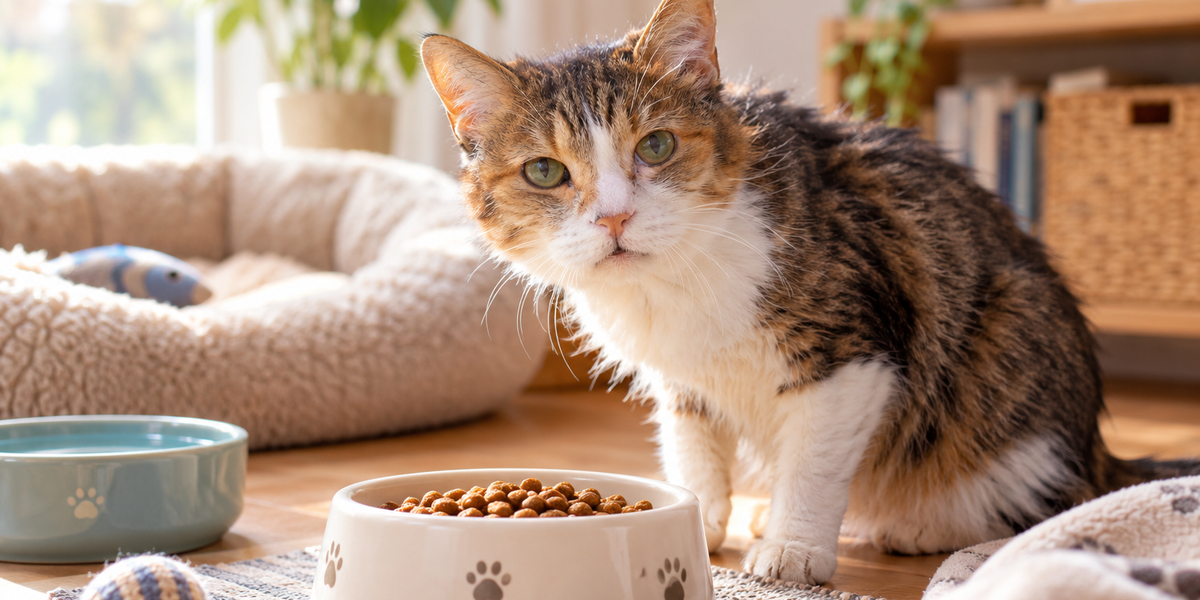
Your 12-year-old cat approaches the food bowl with the same enthusiasm as always, finishes every meal, yet the pounds keep melting away. Weight loss despite normal or increased appetite is one of the most concerning signs in senior cats — and it almost always points to an underlying medical condition that demands immediate veterinary attention.
Unlike gradual age-related changes, unexplained weight loss in cats who are still eating signals that the body is failing to process nutrients properly or burning through them too quickly. Based on verified case studies and veterinary diagnostic data, we've identified the seven most common hidden health issues behind this pattern, from overactive thyroid glands to silent gastrointestinal tumors.
This guide walks you through each condition, the specific diagnostic tests to request from your veterinarian, and supportive nutrition strategies while treatment is underway. Early detection dramatically improves outcomes — and knowing which tests to ask for can accelerate diagnosis when time matters most.
What to Look For
Appetite Pattern Changes — Track whether your cat is eating the same amount, more than usual, or showing increased hunger between meals. Hyperthyroidism often causes ravenous appetite, while cancer may show normal intake initially before declining.
Body Condition Scoring — Run your hands along your cat's spine and ribs weekly. A body condition score dropping below 4/9 (ribs easily felt with minimal fat cover) warrants immediate veterinary assessment, even if weight loss seems gradual.
Behavioral Red Flags — Increased thirst and urination, vomiting after meals, diarrhea, or behavior changes (hyperactivity or lethargy) alongside weight loss narrow the differential diagnosis and help your vet prioritize testing.
Rate of Weight Loss — Losing more than 2% of body weight per month is clinically significant. A 10-pound cat dropping to 9.8 pounds in four weeks meets this threshold. Sudden drops (10%+ in weeks) constitute an emergency.
Coat and Muscle Condition — Look for muscle wasting along the spine and shoulders, dull or unkempt coat, or skin that seems to "tent" when pinched (dehydration). These physical signs often accompany serious systemic disease.
Age and Breed Risk Factors — Cats over 10 years face higher risk for hyperthyroidism, chronic kidney disease, and diabetes. Certain breeds (Siamese, Burmese) show increased susceptibility to specific conditions affecting metabolism.
1. Hyperthyroidism: The Most Common Culprit in Senior Cats
Hyperthyroidism affects up to 10% of cats over age 10, making it the leading cause of weight loss with increased appetite. The thyroid gland produces excess hormone, accelerating metabolism and causing the body to burn through calories faster than they can be consumed.
| Criteria | Score |
|----------|-------|
| Prevalence in Seniors | 9/10 |
| Diagnostic Accuracy | 10/10 |
| Treatment Success Rate | 9/10 |
| Urgency of Intervention | 7/10 |
Classic signs include ravenous appetite, hyperactivity or restlessness, increased vocalization, and sometimes vomiting or diarrhea. If your cat is also drinking more water than usual, see our guide on excessive thirst in cats for related diagnostic insights. On physical exam, vets often detect an enlarged thyroid gland (goiter) in the neck.
Tests to Request: Total T4 (thyroxine) blood test is the first-line screening tool. If borderline, ask for free T4 by equilibrium dialysis for confirmation. A thyroid scan (nuclear scintigraphy) definitively identifies overactive tissue.
Treatment Options: Oral medication (methimazole), radioactive iodine therapy (curative, one-time treatment), surgical thyroidectomy, or iodine-restricted therapeutic diet. Prognosis is excellent with appropriate treatment — most cats regain healthy weight within months.
✅ Pros:
- Highly treatable with multiple management options
- Diagnostic testing is straightforward and accurate
- Early intervention prevents heart and kidney complications
❌ Cons:
- Lifelong medication required if not choosing radioactive iodine
- Can mask underlying kidney disease that becomes apparent after treatment
- Dietary management requires strict compliance (no other food sources)
2. Diabetes Mellitus: Weight Loss Despite Sugar Excess
Feline diabetes typically causes weight loss because cells cannot access glucose for energy, even though blood sugar remains dangerously high. The body breaks down fat and muscle for fuel instead, leading to progressive wasting.
| Criteria | Score |
|----------|-------|
| Prevalence in Overweight Seniors | 8/10 |
| Early Detection Difficulty | 6/10 |
| Dietary Management Impact | 9/10 |
| Insulin Response Rate | 8/10 |
Cats with diabetes exhibit increased thirst and urination, sticky-feeling urine spots (from glucose), occasional vomiting, and sometimes a plantigrade stance (walking on hocks instead of toes) from diabetic neuropathy.
Tests to Request: Fasting blood glucose, fructosamine level (measures average glucose over 2-3 weeks), and urinalysis to check for glucose and ketones. A glucose curve (serial measurements over 12 hours) helps determine insulin dosing if diagnosed.
Treatment Approach: Insulin injections twice daily, low-carbohydrate high-protein diet, and weight monitoring. Some cats achieve remission with early aggressive treatment. Without management, diabetes progresses to diabetic ketoacidosis, a life-threatening emergency.
✅ Pros:
- Remission possible in 30-40% of cats with prompt treatment
- Home glucose monitoring enables precise management
- Dietary changes significantly improve outcomes
❌ Cons:
- Requires twice-daily injections and careful monitoring
- Hypoglycemia risk if insulin dosing is incorrect
- Ongoing veterinary oversight and testing necessary
3. Chronic Kidney Disease: Silent Nutrient Wasting
Kidney disease is present in 30-40% of cats over age 10, though many cases remain undiagnosed until advanced stages. Damaged kidneys fail to concentrate urine efficiently, leading to dehydration, poor nutrient absorption, and progressive weight loss.
| Criteria | Score |
|----------|-------|
| Prevalence in Geriatric Cats | 10/10 |
| Early Symptom Subtlety | 8/10 |
| Treatment Complexity | 7/10 |
| Long-term Management Need | 9/10 |
Early-stage kidney disease shows few obvious signs. As it progresses, cats drink and urinate excessively, develop poor appetite or nausea, and may have bad breath (uremic odor). Weight loss accelerates in later stages.
Tests to Request: Serum creatinine and BUN (blood urea nitrogen), SDMA (symmetric dimethylarginine — detects disease earlier than creatinine), urinalysis with specific gravity, and urine protein:creatinine ratio. A complete chemistry panel checks for electrolyte imbalances and phosphorus elevation.
Management Strategy: Kidney-supportive diet (restricted phosphorus, moderate protein), fluid therapy (subcutaneous fluids at home), phosphate binders, blood pressure medication if hypertensive, and appetite stimulants as needed. Treatment focuses on slowing progression and maintaining quality of life.
✅ Pros:
- Early detection slows disease progression significantly
- Home fluid therapy is learnable and extends lifespan
- Specialized diets improve kidney function markers
❌ Cons:
- Progressive disease with no cure
- Requires lifelong dietary restrictions and monitoring
- Advanced stages involve complex medication regimens
4. Inflammatory Bowel Disease and GI Disorders
Inflammatory bowel disease (IBD) and other chronic gastrointestinal conditions prevent proper nutrient absorption even when cats eat normally. Inflammation in the intestinal lining impairs digestion and causes malabsorption, leading to weight loss despite adequate food intake.
| Criteria | Score |
|----------|-------|
| Diagnostic Challenge | 7/10 |
| Response to Diet Change | 8/10 |
| Biopsy Necessity | 6/10 |
| Chronic Management Need | 8/10 |
Vomiting (especially after eating), chronic diarrhea, appetite fluctuations, and visible discomfort after meals are common. Some cats show normal appetite and only occasional vomiting, making diagnosis difficult. For cats experiencing frequent vomiting alongside weight loss, our guide to sensitive stomach cat foods covers therapeutic diet options during diagnosis.
Tests to Request: Complete blood count (CBC) and chemistry panel, fecal testing for parasites and bacterial overgrowth, abdominal ultrasound to assess intestinal wall thickness, cobalamin and folate levels (indicate malabsorption), and potentially endoscopic biopsy for definitive diagnosis.
Treatment Protocol: Hypoallergenic or hydrolyzed protein diet, corticosteroids or immunosuppressants to reduce inflammation, cobalamin supplementation if deficient, and probiotics. Response to dietary changes often occurs within 2-4 weeks.
✅ Pros:
- Dietary management alone resolves many cases
- Medication options available if diet insufficient
- Quality of life improves dramatically with treatment
❌ Cons:
- Diagnosis may require invasive biopsy procedures
- Lifelong dietary restrictions often necessary
- Some cases require ongoing immunosuppressive drugs
5. Gastrointestinal Lymphoma and Other Cancers
Lymphoma is the most common cancer in cats, and the gastrointestinal form often presents with weight loss and normal or decreased appetite initially. Tumors in the intestines prevent nutrient absorption and can cause partial obstructions.
| Criteria | Score |
|----------|-------|
| Diagnostic Urgency | 10/10 |
| Imaging Requirement | 9/10 |
| Treatment Success Variation | 5/10 |
| Prognosis Severity | 6/10 |
Signs overlap significantly with IBD: vomiting, diarrhea, decreased appetite over time, palpable abdominal masses in some cases, and progressive weight loss. Differentiating between IBD and lymphoma often requires biopsy.
Tests to Request: Abdominal ultrasound (first-line imaging), fine needle aspirate of any masses, full-thickness intestinal biopsy via endoscopy or surgery (gold standard), complete blood count, and chest radiographs to check for metastasis.
Treatment Considerations: Chemotherapy protocols for lymphoma (often well-tolerated in cats), surgical removal if solid tumors are localized, supportive care including appetite stimulants and anti-nausea medication. Prognosis varies widely based on cancer type and stage — small-cell lymphoma responds better than large-cell forms.
✅ Pros:
- Early detection significantly improves treatment outcomes
- Feline chemotherapy generally causes fewer side effects than in humans
- Some lymphoma types respond well to treatment
❌ Cons:
- Diagnosis often requires invasive procedures
- Treatment is costly and time-intensive
- Prognosis guarded to poor in many cases
6. Dental Disease and Oral Pain
Severe dental disease, oral tumors, or tooth resorption can make eating painful enough that cats lose weight despite interest in food. They may approach the bowl, attempt to eat, then walk away due to discomfort.
| Criteria | Score |
|----------|-------|
| Owner Detection Rate | 4/10 |
| Veterinary Diagnosis Ease | 9/10 |
| Treatment Effectiveness | 9/10 |
| Pain Impact on Quality of Life | 8/10 |
Watch for dropping food while eating, chewing on one side, pawing at the mouth, drooling, bad breath, or visible redness and swelling of gums. Some cats hide pain well and show only subtle behavior changes.
Tests to Request: Oral exam (often requires sedation for thorough assessment), dental radiographs to check for tooth root problems and bone loss, biopsy of any oral masses. Blood work before anesthesia ensures safe dental procedures.
Treatment Path: Professional dental cleaning and extractions under anesthesia, pain medication, antibiotics if infection present. Most cats eat better immediately after painful teeth are removed, despite having fewer teeth.
✅ Pros:
- Highly treatable with immediate improvement post-procedure
- Prevents progression to systemic infection
- Pain relief dramatically improves quality of life
❌ Cons:
- Requires general anesthesia (higher risk in seniors)
- Can be expensive, especially with multiple extractions
- Some owners hesitate due to perceived need for teeth
7. Parasites and Infectious Diseases
Intestinal parasites, FIV (feline immunodeficiency virus), FeLV (feline leukemia virus), and FIP (feline infectious peritonitis) can all cause weight loss through various mechanisms including malabsorption, chronic inflammation, and immune dysfunction.
| Criteria | Score |
|----------|-------|
| Testing Accessibility | 9/10 |
| Treatment Availability | 6/10 |
| Prevention Effectiveness | 8/10 |
| Prognosis Variability | 5/10 |
Parasites like roundworms, hookworms, and Giardia cause diarrhea and nutrient theft. Viral diseases impair immune function and can lead to secondary infections or cancer. Outdoor cats and those from shelters face higher risk.
Tests to Request: Fecal flotation and Giardia antigen test (repeat if initial negative but suspicion high), FIV/FeLV combination test, complete blood count to check for anemia or immune changes. For FIP suspicion (younger cats, fluid accumulation), specific tests include protein analysis of effusions.
Management Approach: Deworming protocols for parasites (highly effective), supportive care for viral diseases (no cure for FIV/FeLV but many cats live years with management), newer antiviral drugs for FIP showing promise. Prevention through vaccination and parasite control is critical.
✅ Pros:
- Parasitic causes are easily treated and cured
- Simple screening tests identify viral infections
- FIV/FeLV-positive cats can live good quality lives with care
❌ Cons:
- No cure for most viral diseases
- FIP historically had very poor prognosis (improving with new drugs)
- Requires ongoing monitoring and preventive care
💡 Pro Tip: Keep a weekly weight log using a baby scale or kitchen scale for small cats. A detailed weight history with exact dates helps your vet calculate rate of loss and prioritize diagnostics.
Creating a Diagnostic Plan with Your Veterinarian
When you bring your senior cat to the vet for unexplained weight loss, request a senior wellness panel as the baseline: complete blood count, comprehensive chemistry panel (including kidney and liver values), urinalysis, total T4 (thyroid), and fecal testing. This broad screening catches the most common culprits.
Based on initial results and physical exam findings, your vet will recommend targeted follow-up: abdominal imaging (ultrasound or radiographs) if GI disease or masses suspected, specialized tests like SDMA for earlier kidney disease detection, or biopsies if cancer is a concern.
Document everything you observe at home — exact amount eaten daily, frequency of vomiting or diarrhea, water intake, litter box changes, behavior shifts. This data guides diagnostic decisions and prevents overlooking subtle clues.
Don't delay testing due to cost concerns. Many conditions that cause weight loss become exponentially more expensive to treat once advanced. Ask about payment plans, pet insurance (if enrolled before symptoms appeared), or nonprofit assistance programs for veterinary care.
Frequently Asked Questions
How much weight loss is normal in senior cats?
No weight loss is truly "normal." While metabolism may slow with age, healthy senior cats maintain stable weight. Losing more than 2% of body weight monthly (roughly 3-4 ounces for a 10-pound cat) warrants veterinary evaluation. Sudden losses exceeding 10% constitute an emergency requiring same-day assessment.
Should I increase food if my senior cat is losing weight?
Increasing food may temporarily slow weight loss but does not address the underlying medical issue causing poor nutrient utilization. Focus on getting a diagnosis first. Once the condition is identified, your vet will recommend appropriate nutritional support — which may include calorie-dense foods, feeding tubes in severe cases, or therapeutic diets specific to the diagnosis.
Can stress cause weight loss in senior cats with normal appetite?
Chronic stress can contribute to decreased food intake, but it rarely causes significant weight loss if appetite remains truly normal. Rule out medical causes first. If diagnostics are negative and major life changes occurred (new pet, move, household disruption), behavioral intervention may help, but this is diagnosis of exclusion.
How long does it take to diagnose the cause of weight loss?
Timeline varies. Hyperthyroidism shows on blood work within 24-48 hours. Kidney disease and diabetes are similarly quick to identify. GI conditions may require multiple tests over weeks, including trial diets and potentially biopsy. Cancer diagnosis averages 1-3 weeks from initial imaging to confirmed biopsy results. Push for faster timelines if weight loss is rapid.
What if my cat refuses the prescription diet?
Work with your vet on alternatives. Most therapeutic diets come in multiple flavors and textures (pâté, chunks, dry). Gradual transitions over 7-10 days improve acceptance. Warming food slightly, adding low-sodium broth, or using appetite stimulants helps. For conditions requiring specific diets (like hyperthyroidism management), compliance is critical, so finding an acceptable option is worth persistent effort.
Final Thoughts
Weight loss in senior cats who maintain normal appetite is a red flag that should never be dismissed as "just old age." The seven conditions covered here — hyperthyroidism, diabetes, kidney disease, inflammatory bowel disease, cancer, dental disease, and parasitic or viral infections — all require prompt diagnosis and treatment to prevent suffering and extend quality life.
The key to successful outcomes is early intervention. Schedule a veterinary appointment the moment you notice unexplained weight loss, and request comprehensive senior bloodwork including thyroid testing. Come prepared with specific observations: exact weight changes over time, appetite patterns, water intake, litter box habits, and any behavioral shifts.
While awaiting diagnosis, track your cat's food intake precisely with an automatic feeder or measuring cups, maintain detailed notes on symptoms, and watch for additional warning signs like increased thirst, vomiting, or lethargy. These details accelerate diagnosis and help your vet prioritize the most likely causes.
With appropriate testing, most causes of weight loss in senior cats are manageable or treatable — but outcomes depend entirely on how quickly you act. Trust your instincts when something feels wrong, advocate for thorough diagnostics, and work closely with your veterinarian to give your cat the best chance at regaining healthy weight and quality of life.
Editor's Choice
For monitoring feeding patterns during diagnosis, the PetSafe Healthy Pet Simply Feed Automatic Feeder provides precise portion control and intake tracking to help catch early changes. Once a GI diagnosis is confirmed, Purina Pro Plan Veterinary Diets EN Gastroenteric Formula offers high digestibility to support nutrient absorption during treatment. For cats with confirmed hyperthyroidism, Hill's Prescription Diet y/d Thyroid Care can be part of a comprehensive management strategy under veterinary supervision.