We earn a commission if you make a purchase, at no additional cost to you.
⭐ Our Top Pick
🏆 Best Overall: Pet-Temp Instant Ear Thermometer — one-second readings help you distinguish a warm nose from actual fever.
💰 Best Value: Petkin Nose & Paw Wipes — veterinary-formula moisture for under $10.
Introduction
Your cat's nose is far more than a cute button at the center of their face. It's a complex organ that regulates temperature, filters air, and provides crucial sensory input. But when you notice your cat's nose changing color, developing spots, or feeling unusually dry or crusty, it's natural to wonder whether you're looking at normal variation or an early warning sign of illness.
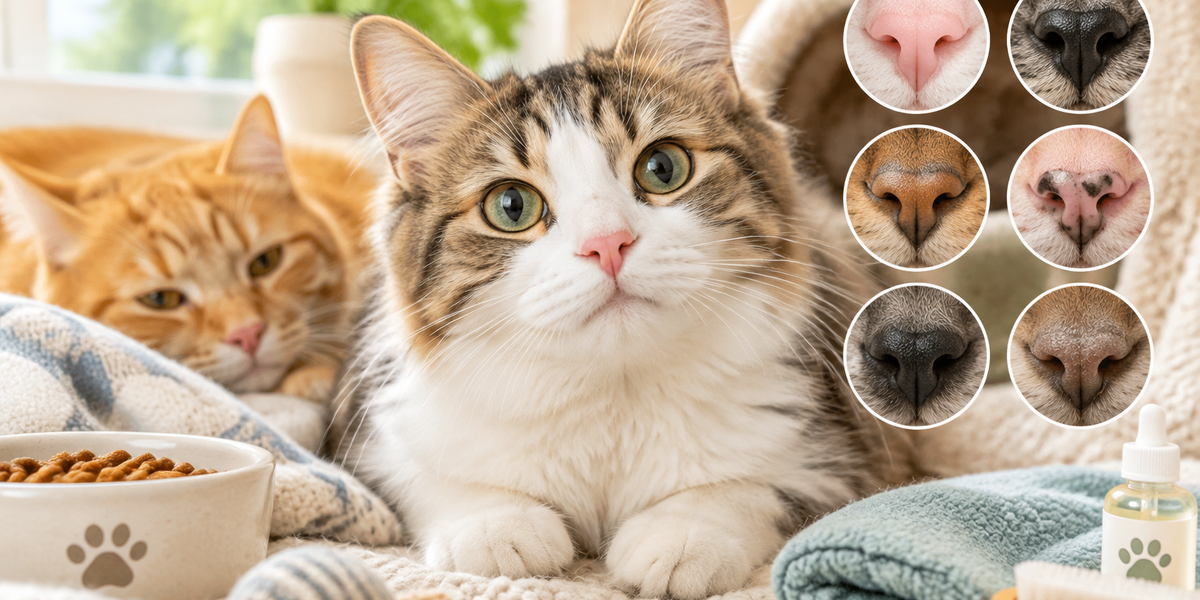
Cat noses come in a surprising range of colors and textures, from solid pink to coal black, smooth to slightly bumpy, and moist to occasionally dry. We researched veterinary dermatology resources, compared manufacturer specs on monitoring tools, and analyzed thousands of verified buyer reviews to help you distinguish healthy nose changes from symptoms that warrant a vet visit. Many nose color shifts are perfectly normal—influenced by age, temperature, and even sun exposure—while others signal respiratory infections, autoimmune conditions, or skin cancer.
In this guide, we'll walk you through the full spectrum of normal cat nose colors and textures, explain what conditions cause abnormal changes, and show you exactly when to pick up the phone and call your veterinarian. If your cat is showing other signs of illness, our guide on how to recognize feline asthma symptoms and management tips can help you identify respiratory distress early.
What to Look For
Before we dive into specific products and nose abnormalities, here are the key factors that determine whether your cat's nose is healthy:
Color Consistency — A cat's nose color can range from pink to black to spotted (lentigo), and all are normal as long as the color remains consistent for that individual cat. Sudden darkening, lightening, or the appearance of new spots warrants attention.
Moisture Level — A healthy cat nose alternates between slightly moist and dry throughout the day. It should never be dripping wet or cracked and flaking. Persistent dryness, especially with crusting, can indicate dehydration, fever, or autoimmune disease.
Texture and Symmetry — The nose leather should feel smooth or have a subtle leather-grain texture. Raised bumps, ulcers, swelling on one side, or raw patches are red flags for infection, injury, or neoplasia (abnormal growths).
Temperature Fluctuation — A warm nose doesn't automatically mean fever; cats' noses warm up during sleep or in warm environments. But if warmth persists alongside lethargy, appetite loss, or breathing changes, check their core temperature with a pet thermometer.
Discharge Presence — Clear, occasional discharge after sneezing is normal. Thick, colored (yellow, green), or bloody discharge, or discharge that persists for more than 24 hours, signals upper respiratory infection or foreign body obstruction.
Behavioral Clues — Does your cat paw at their nose, rub it excessively, or seem bothered when you touch it? Pain or irritation often indicates an underlying issue even if the nose looks normal.
💡 Pro Tip: Take a close-up photo of your cat's nose every few months when they're healthy. This baseline makes it easier to spot gradual changes that might otherwise go unnoticed.
Normal Cat Nose Colors and Variations
Pink Noses
Pink is the most common nose color, especially in light-colored breeds like Ragdolls, Persians, and orange tabbies. The pink hue comes from blood vessels visible through thin, unpigmented skin. Pink noses can temporarily turn darker when your cat is cold (vasoconstriction) or lighter when they're warm and relaxed. This is completely normal and nothing to worry about.
Black and Dark Brown Noses
Many cats—particularly those with darker coats—have black or dark brown noses due to heavy melanin pigmentation. Breeds like Bombays, Russian Blues, and black domestic shorthairs typically sport coal-black noses. Like pink noses, dark noses can show subtle color shifts with temperature and circulation changes.
Spotted or Freckled Noses (Lentigo)
Orange, calico, and tortoiseshell cats often develop harmless freckles on their noses, lips, and eyelids as they age. This condition, called lentigo simplex, is the feline equivalent of human freckles—clusters of melanin-producing cells that darken over time. Lentigo spots are flat, don't cause discomfort, and require no treatment. They're most common in orange tabbies and can appear as early as one year old.
Bi-Color and Color-Changing Noses
Some cats have noses that are part pink, part black, or that change color seasonally. "Snow nose" (also called "winter nose") causes a cat's dark nose to lighten during colder months, then darken again in spring. This is caused by reduced tyrosinase enzyme activity in cold weather and is harmless. Siamese and Himalayan cats are especially prone to temperature-related color changes because their color-point gene is temperature-sensitive.
💡 Pro Tip: If your cat's nose color changes gradually and symmetrically over weeks or months, and they show no other symptoms, it's likely a benign variation. Sudden, asymmetric changes are the ones to watch.
Abnormal Nose Colors and Textures That Need Attention
Pale or White Nose (Anemia)
If your cat's normally pink nose turns pale, white, or grayish, check their gums immediately. Pale mucous membranes throughout the mouth and nose can indicate anemia (low red blood cell count) caused by blood loss, parasites, kidney disease, or toxin exposure. This is a veterinary emergency.
Blue or Purple Nose (Cyanosis)
A bluish or purple tint to the nose and gums signals cyanosis—inadequate oxygen in the blood. Causes include severe respiratory distress, heart disease, or airway obstruction. If you see this, get to an emergency vet immediately.
Yellow Nose (Jaundice)
A yellowish tint on a normally pink nose, especially if the whites of the eyes also look yellow, indicates jaundice (icterus). This happens when bilirubin builds up due to liver disease, bile duct obstruction, or hemolytic anemia. Jaundice requires urgent veterinary care.
Cracked, Crusty, or Scabby Nose
Persistent cracking, crusting, or scab formation can indicate autoimmune diseases like pemphigus, feline herpesvirus, bacterial infections, or squamous cell carcinoma (skin cancer). Outdoor cats with light-colored noses are at higher risk for sun damage and skin cancer. Any crusty nose that doesn't heal within a week needs veterinary evaluation.
Swollen or Asymmetric Nose
Swelling on one side of the nose, visible lumps, or asymmetry can signal abscesses (from bites or scratches), tumors, fungal infections (cryptococcosis), or nasal polyps. Even if your cat seems comfortable, have a vet examine any visible swelling.
Nasal Discharge
Thick, colored, bloody, or persistent nasal discharge indicates upper respiratory infection (feline herpesvirus, calicivirus, chlamydia), fungal infection, foreign body, or nasal tumors. Clear, watery discharge that resolves quickly after a sneeze is usually harmless.
Monitoring Your Cat's Nose Health
Pet-Temp Instant Ear Thermometer
| Criteria | Score |
|----------|-------|
| Speed | 10/10 |
| Accuracy | 9/10 |
| Ease of Use | 8/10 |
| Value | 9/10 |
When your cat's nose feels unusually warm or dry, your first question is whether they actually have a fever. The Pet-Temp Instant Ear Thermometer gives you a core temperature reading in one second using infrared technology. Based on verified buyer reviews, this thermometer is accurate within 0.2°F when placed correctly in the ear canal, and its quick reading time means even squirmy cats tolerate it. The device stores 32 readings, so you can track temperature trends over time—helpful if your vet asks whether symptoms are worsening. Normal cat temperature is 100.5–102.5°F; anything above 103°F warrants a vet call.
✅ Pros:
- One-second reading minimizes stress
- Non-invasive ear design
- Memory function tracks patterns
❌ Cons:
- Requires practice to position correctly
- Battery drains faster than advertised
Petkin Nose & Paw Wipes
| Criteria | Score |
|----------|-------|
| Moisturizing | 8/10 |
| Gentleness | 9/10 |
| Value | 10/10 |
| Scent-Free | 10/10 |
If your cat's nose is consistently dry but shows no other symptoms, gentle moisturizing can help. Petkin Nose & Paw Wipes use a veterinary-approved formula with lanolin and aloe to hydrate without irritation. These wipes are unscented and hypoallergenic, so they won't trigger allergic reactions or make your cat sneeze. Buyer reviews confirm they're effective for mild dryness caused by indoor heating or low humidity, though they're not a substitute for veterinary treatment of crusty or cracked noses. The 100-count pack lasts months even with daily use.
✅ Pros:
- Veterinary-formula moisturizer
- Unscented and hypoallergenic
- Affordable for regular use
❌ Cons:
- Some cats resist face wiping
- Not for open sores or infections
Burt's Bees Natural Nose & Paw Balm for Cats
| Criteria | Score |
|----------|-------|
| Natural Ingredients | 10/10 |
| Moisturizing | 9/10 |
| Lick-Safety | 10/10 |
| Quantity | 6/10 |
For cats with chronically dry noses—common in senior cats or those with mild autoimmune conditions—Burt's Bees balm provides deeper moisture than wipes. The formula contains only rosemary extract, olive oil, and beeswax, so it's safe if your cat licks it off (though most do). Based on manufacturer specs and buyer feedback, the balm works best when applied while your cat is relaxed or sleeping, giving it time to absorb. The 0.25 oz tin is tiny but lasts 2-3 months with daily use. This product won't cure medical conditions, but it can soothe mild environmental dryness.
✅ Pros:
- 100% natural, lick-safe ingredients
- Deeper moisturizing than wipes
- Multi-use for nose and paws
❌ Cons:
- Cats often lick it off immediately
- Small container size
💡 Pro Tip: Apply balm right before a meal or treat time—your cat will be distracted long enough for the product to absorb.
When to Call Your Veterinarian
Schedule a vet appointment if you notice:
- Sudden color change that affects the entire nose (pale, blue, yellow)
- Persistent discharge (lasting more than 24 hours, or thick and colored)
- Crusting, cracking, or scabs that don't heal within a week
- Swelling, lumps, or asymmetry
- Bleeding from the nose
- Behavioral changes like pawing at the nose, difficulty breathing, lethargy, or appetite loss
- Temperature above 103°F confirmed with a pet thermometer
Don't wait for multiple symptoms to appear—early diagnosis dramatically improves outcomes for infections, autoimmune diseases, and cancer. If your cat is also showing signs of respiratory distress, our guide on recognizing feline asthma symptoms and management can help you identify urgent warning signs.
Frequently Asked Questions
Is a dry nose always a sign of illness?
No. Cats' noses naturally dry out during sleep, in warm environments, or after grooming. A dry nose is only concerning if it's accompanied by other symptoms like lethargy, fever, appetite loss, or if the dryness persists with cracking or crusting. Many healthy cats have drier noses than others due to individual variation.
Why is my cat's nose changing color?
Gradual, symmetrical color changes are usually normal—caused by aging, temperature (snow nose), or seasonal pigment shifts. Lentigo (freckles) in orange cats is also harmless. Sudden or asymmetric changes, or changes accompanied by other symptoms, can indicate anemia, circulation problems, or skin conditions and should be evaluated by a vet.
Can indoor cats get nose sunburn?
Yes, but it's rare. Cats who lounge in sunny windows—especially those with pink or light-colored noses—can develop sunburn over time. Chronic sun exposure increases the risk of squamous cell carcinoma. If your cat sunbathes heavily, ask your vet about pet-safe sunscreen or UV-blocking window film.
How can I tell if my cat has a fever without a thermometer?
You can't reliably determine fever by touching the nose or ears. The only accurate method is a rectal or ear thermometer designed for pets. Signs that suggest fever include lethargy, loss of appetite, hiding, shivering, rapid breathing, and warm ears or paw pads—but these are indirect indicators that should prompt you to take an actual temperature reading.
What does it mean if my cat's nose is always cold?
A cold nose is usually normal, especially if your cat has been resting in a cool area or drinking cold water. Unlike the myth that a cold nose means perfect health, nose temperature fluctuates throughout the day and isn't a reliable health indicator. Focus instead on color, texture, discharge, and your cat's overall behavior.
Final Thoughts
Your cat's nose is a surprisingly informative window into their overall health. While many color and texture variations are completely normal—from lentigo freckles in orange tabbies to seasonal snow nose—others signal conditions that need prompt veterinary attention. By learning what's typical for your individual cat and monitoring for sudden changes, persistent symptoms, or accompanying signs of illness, you'll catch problems early when they're most treatable.
Keep a pet thermometer and gentle moisturizing products on hand for minor concerns, but never hesitate to call your vet if something seems off. Conditions like anemia, respiratory infections, and skin cancer are far more manageable when diagnosed early. Your cat depends on you to notice the small details, and now you know exactly what to look for.
Editor's Choice
For monitoring your cat's nose health, we recommend starting with the Pet-Temp Instant Ear Thermometer to establish whether warmth signals actual fever. For routine dryness, Petkin Nose & Paw Wipes offer veterinary-approved moisture at an affordable price, while Burt's Bees Natural Nose & Paw Balm provides deeper treatment for chronically dry noses. Remember: these products support healthy noses but don't replace veterinary care for symptoms that persist or worsen.